A home coffee bar should make the next cup easier, not create a counter full of equipment you barely use. The best beginner setup starts with a small routine, a clean storage spot, and only the tools needed for the brew method you actually enjoy.
The useful starting point is a compact plan: one purpose, one small setup, one weekly reset. That keeps the article practical for a reader who wants help today rather than a full renovation plan.
This approach also keeps the project honest. A reader can finish one useful change, notice what actually improved, and avoid turning a simple home decision into a stack of unused products.
Why this setup works
A beginner guide works better when it names the tradeoff early. The right first setup is usually smaller than the reader imagined, but it is also easier to finish, easier to clean up, and easier to improve later.
When you are ready to compare brewer performance, the Specialty Coffee Association's coffee standards resource is a better reference point than random temperature or timing claims from product listings.
Choose one brewing path first
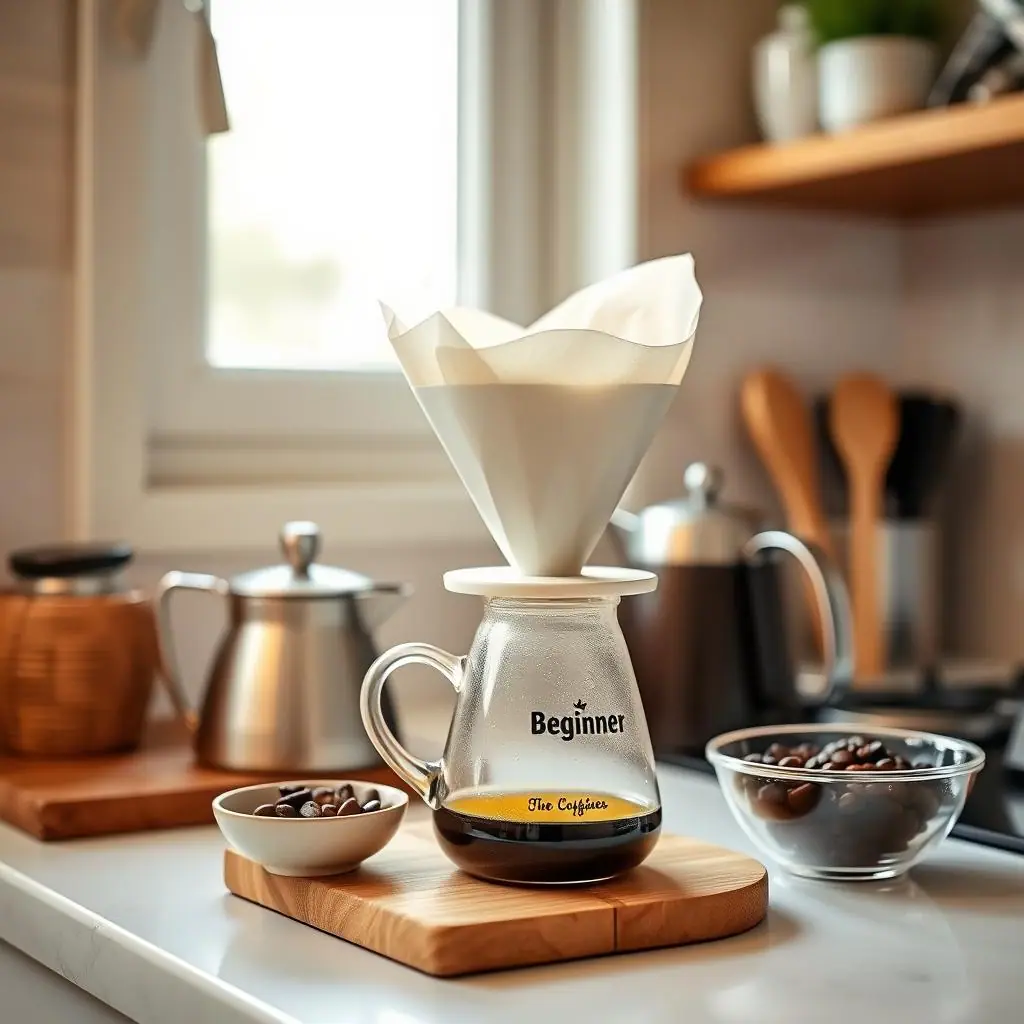
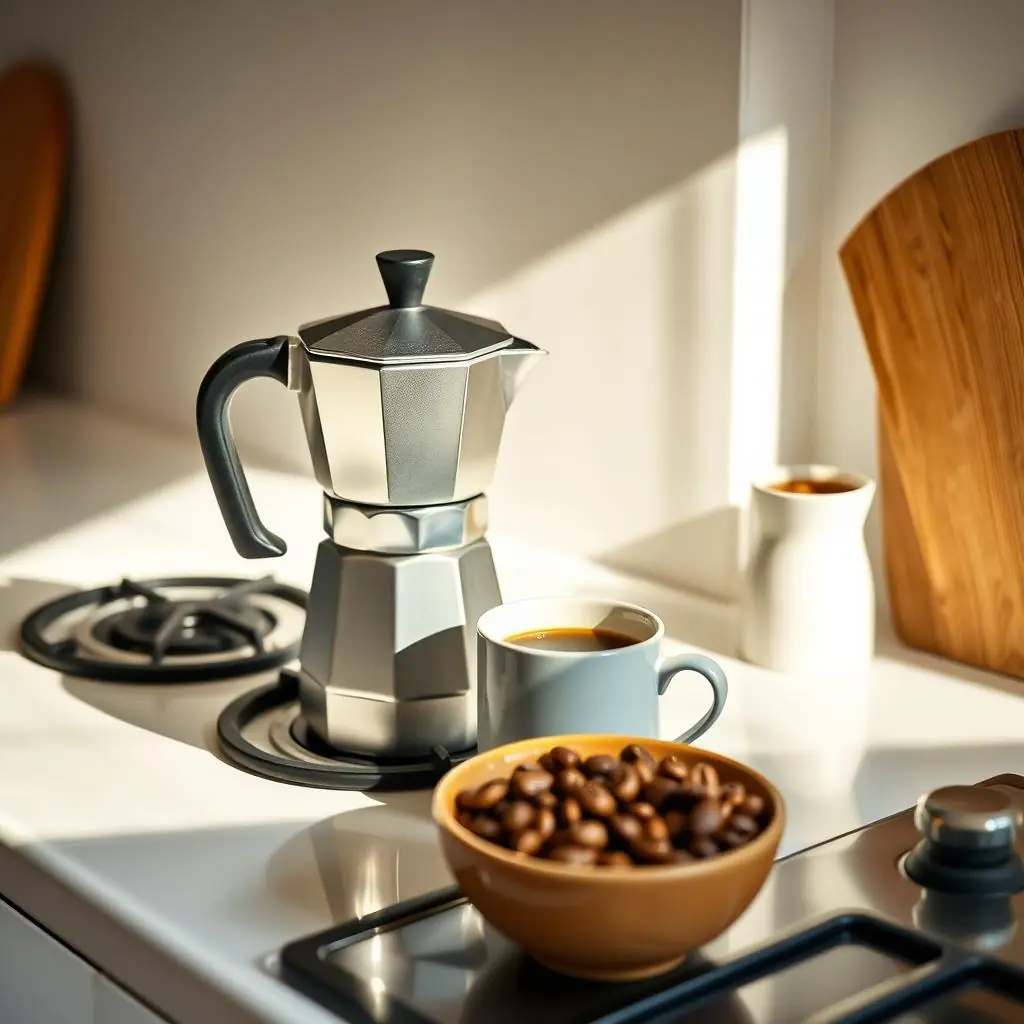
Pick one main method: drip, pour-over, French press, moka pot, or espresso-style appliance. Building around one method keeps the counter organized and prevents gear from competing for space.
Make the grinder and water routine easy
Coffee improves when the repetitive steps are simple. Keep filters, scoop, scale, kettle, and cleaning cloth close enough that brewing does not feel like unpacking a toolbox.
Design the cleanup zone
A coffee bar fails when cleaning is harder than brewing. Give used filters, grounds, towels, and rinse items a clear path so the setup still looks useful after the morning rush.
Practical setup checklist
Before you buy anything
Pause long enough to check the boring details: the surface, the size, the weight, the light, the access path, and the cleanup routine. Most beginner frustration comes from skipping one of those details and then trying to force the setup to work anyway.
- Define the job: write down what this area or product is supposed to make easier.
- Measure before buying: check width, depth, height, clearance, weight, cord reach, light, or drainage before choosing gear.
- Read the instructions: product limits and exclusions matter more than a clean inspiration photo.
- Leave margin: a setup packed to the edge is harder to maintain than one with a little empty space.
- Reset weekly: a short recurring reset prevents the system from turning into a storage pile.
After the first week
Use the first week as a field test. If one step keeps getting skipped, simplify that step. If one item never returns to its assigned place, move the home closer to where the item is actually used. A good beginner system improves through small edits instead of one dramatic overhaul.
Pros and Cons
Less wasted gear
You buy around one routine instead of every possible method.
Cleaner mornings
Tools have a predictable home before and after brewing.
Easier upgrades
You can improve grinder, water, or brewer one step at a time.
Requires restraint
A small coffee bar works because it excludes gear you do not use.
Cleaning still matters
A beautiful setup gets stale fast without a rinse-and-reset habit.
Frequently Asked Questions
Do I need a scale?
A scale helps consistency, but beginners can start with one brew method and add a scale when they want repeatable results.
Should coffee stay on the counter?
Keep a small working amount nearby and store the rest in a sealed container away from heat, light, and moisture.
What is the first upgrade?
For many homes, a better grinder or cleaner water routine improves more cups than another decorative accessory.
Final Thoughts
Home Coffee Bar Setup for Beginners: What You Actually Need First should feel calm, repeatable, and honest about limits. Start with one useful change, keep the setup easy to reset, and let the next improvement come from what you learn in daily use.
The quiet advantage of this method is that it gives readers a practical stopping point. Once the first setup works for a normal week, they can repeat the same thinking in another area instead of starting from scratch.