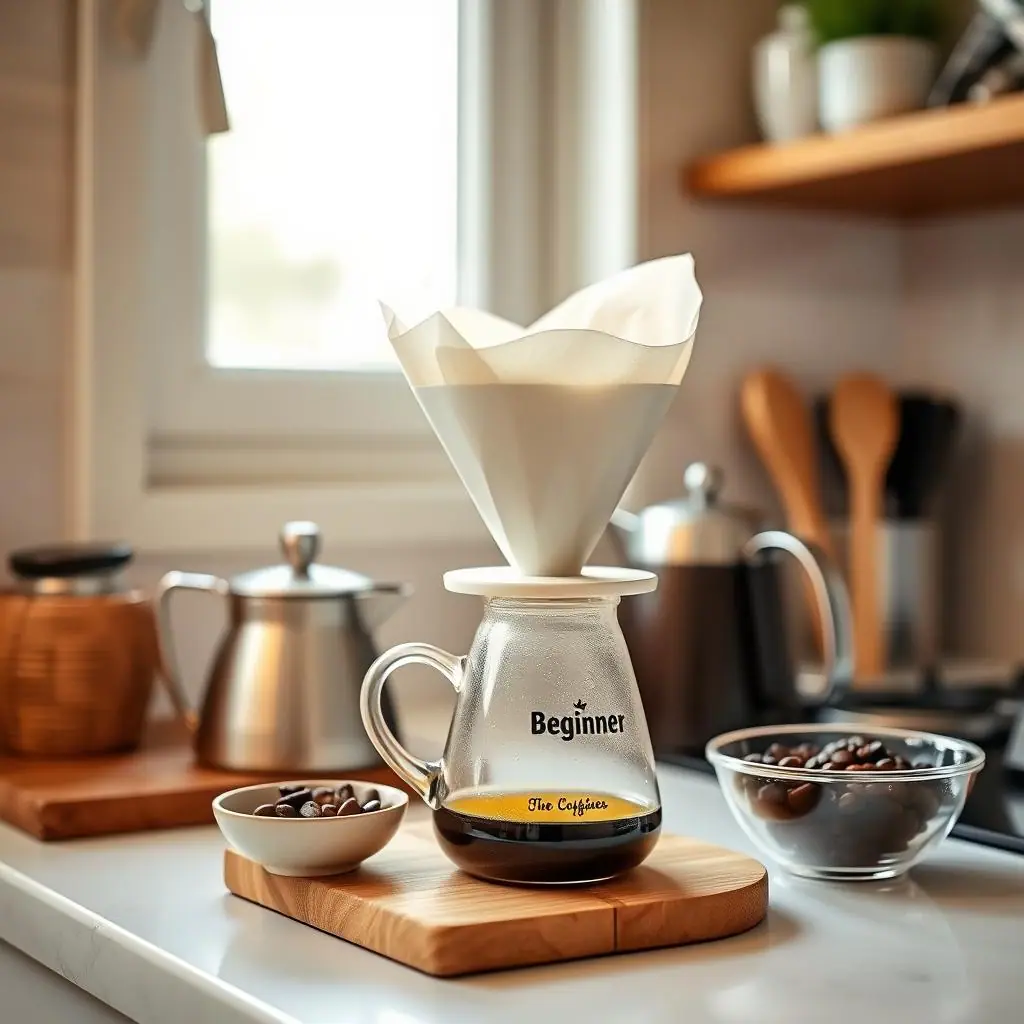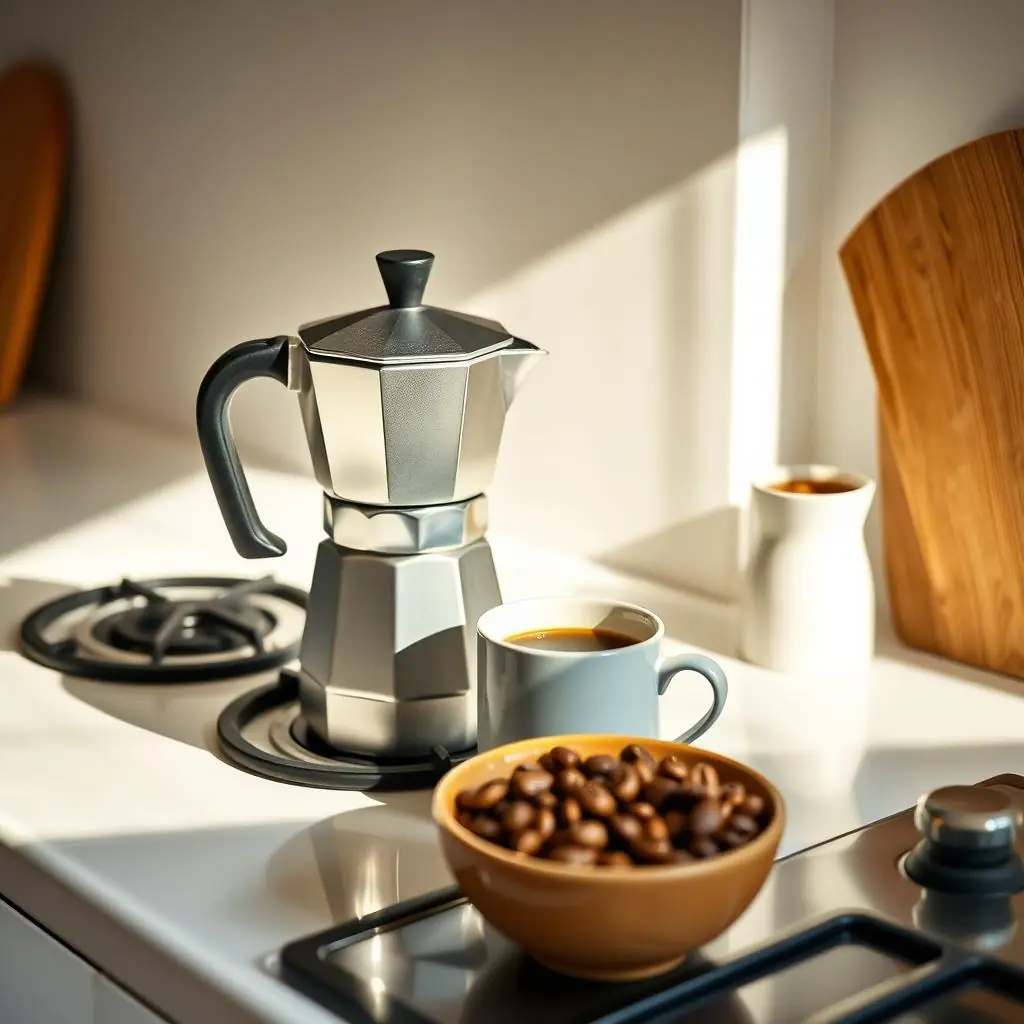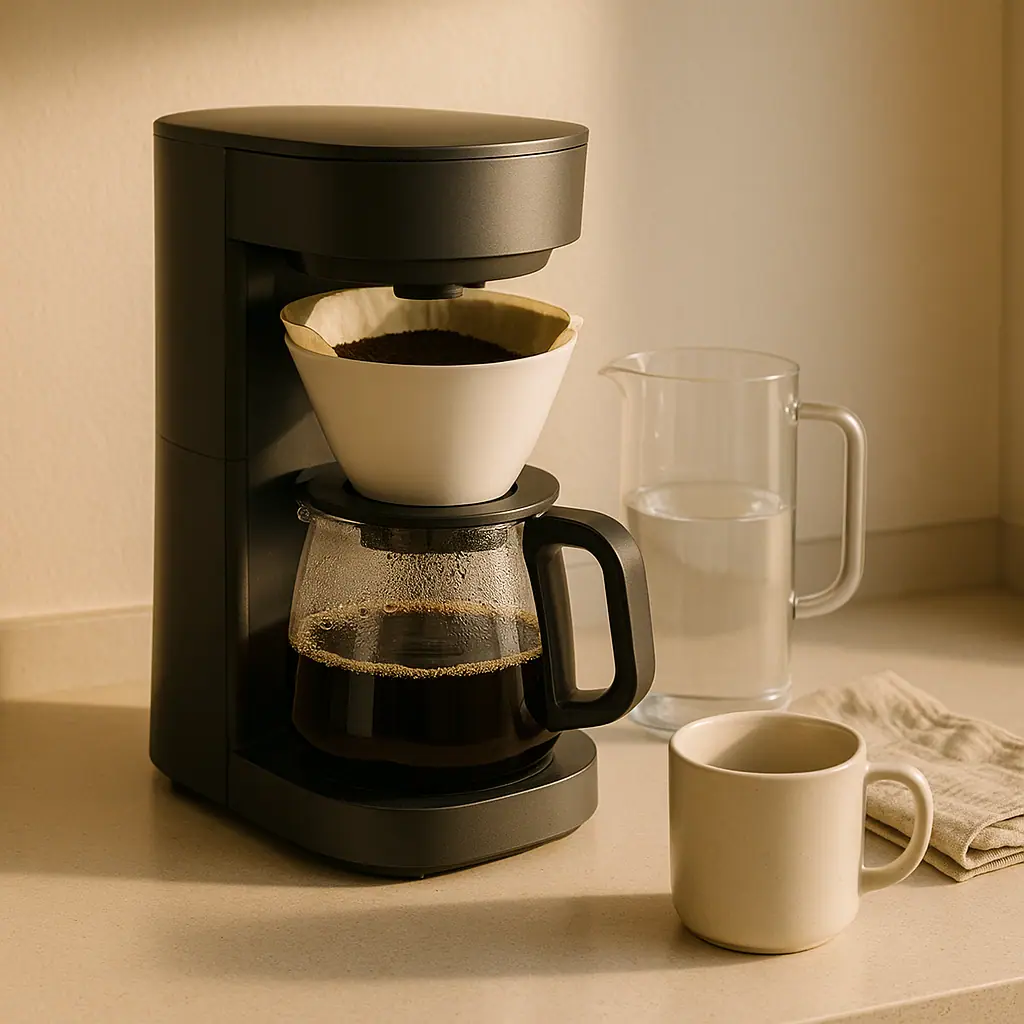
Learning how to make better drip coffee without replacing your machine is mostly about making the machine easier to trust. Many disappointing cups come from small routine problems: old grounds, a vague scoop, a dirty basket, water that sits too long, or a grind that does not match the filter. A new brewer can be nice, but it is not the first fix most beginners need.
Start by treating your drip machine like a simple routine tool. Give it fresh water, a clean path, a consistent amount of coffee, and enough attention to notice what changed. When you adjust one habit at a time, the cup becomes easier to understand.
This guide keeps the upgrades modest. You will check cleaning, water, coffee amount, grind, basket setup, and timing before you spend money on a different machine.
Why This Matters
Drip coffee machines are convenient because they hide the brewing process behind one button. That same convenience can make troubleshooting feel confusing. If the coffee tastes weak, bitter, flat, or muddy, the cause may be the beans, the grind, the water, the filter, or residue inside the brewer.
The Specialty Coffee Association is a useful reference for coffee brewing language, education, and quality standards. For a home beginner, the practical takeaway is simple: repeatable brewing depends on controlling basic variables. You can explore the organization at the Specialty Coffee Association, then bring the idea back to your own counter by measuring more consistently.
Start With a Clean, Repeatable Setup
Before changing beans or buying accessories, make sure the machine is clean enough to show you what the coffee actually tastes like. Old oils in the basket, a stained carafe, and mineral buildup in the water path can make fresh coffee taste stale.
Wash the removable parts with warm water and mild dish soap according to your machine's manual. Rinse the carafe well, especially around the spout and lid where old coffee can collect. If your brewer has a reusable filter, clean both sides and let it dry fully.
Check the manual before descaling
Descaling instructions vary by machine. Some brands allow vinegar, some prefer a descaling solution, and some warn against specific cleaners. Use the instructions for your exact model instead of guessing.
Make the counter routine simple
Keep filters, coffee, a scoop or scale, and a small towel near the machine. A tidy setup makes it easier to repeat the same steps instead of rushing through a different routine every morning.
What to Check First for Better Drip Coffee
When the machine works but the cup is not satisfying, begin with the basics you can control right away. These checks do not require a new brewer, and they give you a clearer baseline for future changes.
- Water freshness: use fresh, cold water each time instead of reheating water that sat in the reservoir overnight.
- Coffee amount: use the same scoop count or a simple scale measurement so strength changes are intentional.
- Grind texture: medium grind usually suits many drip baskets better than very fine powder or very coarse chunks.
- Filter fit: seat the paper filter flat so water does not bypass the coffee bed around folded edges.
- Carafe timing: drink the coffee soon after brewing or move it to a thermal carafe if the hot plate makes it taste harsh.
How to Make Better Drip Coffee Step by Step
Use this as a calm reset routine for one week. The point is not perfection. The point is to create a baseline cup you can improve without guessing.
- Clean the removable parts: wash the basket, carafe, lid, and reusable filter if you use one. Let everything dry before the next brew.
- Use fresh water: empty old reservoir water, refill with fresh water, and avoid filling past the amount you plan to brew.
- Measure coffee consistently: choose one scoop count or one weight and repeat it for several brews before changing it.
- Level the coffee bed: after adding grounds, gently shake the basket so water hits the coffee evenly.
- Brew a smaller batch: if your machine makes weak coffee on very small amounts or stale coffee on large amounts, test a middle batch size.
- Taste before adding milk or sugar: notice whether the coffee is weak, bitter, sour, smoky, or stale. That tells you what to adjust next.
- Change one thing next time: adjust grind, dose, water, or cleaning schedule one at a time.
Common Drip Coffee Mistakes to Avoid
Most drip coffee problems are quiet habits repeated every morning. They feel small, but together they can make a good machine produce forgettable coffee.
- Using stale pre-ground coffee too slowly: buy amounts you can finish while they still smell fresh and lively.
- Letting brewed coffee sit too long: hot plates can make coffee taste cooked or bitter after a while.
- Overfilling the basket: too many grounds can cause overflow, uneven extraction, or a messy filter collapse.
- Ignoring the showerhead area: wipe accessible parts gently if your manual allows it, because splatter and residue build up over time.
- Switching beans and recipe together: when you change coffee, keep the routine steady for a few brews before judging it.
A Simple Checklist
Run this quick check before your next pot. It takes less time than shopping for a new machine and often solves the most obvious problems.
- Machine clean? Basket, carafe, and lid should smell neutral, not stale.
- Water fresh? Start with new water, not yesterday's reservoir water.
- Filter seated? Paper should sit flat against the basket with no folded edge blocking flow.
- Coffee measured? Use the same amount for several brews before changing strength.
- Notes kept? Write one short line: dose, grind, batch size, and taste.
Pros and Cons
No new machine required
You improve the routine first, which keeps the fix low-cost and practical.
Easier troubleshooting
Consistent water, coffee amount, and cleaning habits make flavor problems easier to name.
Better daily repeatability
A simple checklist helps rushed mornings produce a cup that tastes more familiar.
Requires a little patience
You need a few brews to know whether a change actually helped.
Cannot fix every machine flaw
If a brewer is broken, leaking, or heating poorly, routine changes may not solve the problem.
When to Get Extra Help
If the machine leaks, trips a breaker, smells electrical, or behaves differently from the manual, stop using it and check the manufacturer's support information for your model. Do not keep testing a machine that may be unsafe.
If the machine seems fine but the flavor still frustrates you, ask a local roaster to grind a small bag for drip and compare it with your usual coffee. That gives you a useful reference point before buying a grinder or replacing the brewer.
Frequently Asked Questions
What should I check first for better drip coffee?
Check cleaning first. A stale basket or carafe can make even fresh coffee taste flat, bitter, or old.
How often should I review my drip coffee routine?
Review it whenever the taste changes, and do a quick cleaning and measurement check every week if you brew daily.
What should I do if I am not sure about descaling?
Use the manual for your exact machine. If you do not have it, look up the manufacturer's support page before adding vinegar or descaler.
Can I undo these changes later?
Yes. Most routine changes are easy to reverse if you keep notes and adjust only one variable at a time.
Final Thoughts
You can make better drip coffee without replacing your machine by giving the brewer a cleaner, more consistent routine. Start with fresh water, clean parts, a stable coffee amount, a properly seated filter, and one small note after each brew.
If those habits improve the cup, keep them. If they reveal a real limitation, you will know what problem a future upgrade should solve instead of buying a new machine and hoping it fixes everything.