Single-cup coffee methods compared for everyday mornings can look more complicated than they need to be. A beginner might see pour-over cones, French presses, moka pots, AeroPress-style brewers, pod machines, and single-serve drip baskets, then wonder which one actually fits a normal weekday.
The best method is not always the most expensive or the most precise. It is the one you can repeat when you are half awake, working with the counter space you have, and brewing the amount you actually drink. Start with the routine first, then let gear support that routine.
This comparison focuses on one-cup brewing at home: how each method feels in the morning, what it asks from you, where it can go wrong, and which beginner should choose it first.
Why This Matters for Everyday Mornings
A single cup sounds simple until the method adds too many steps. Some brewers reward slow attention. Others are better when you need coffee while packing a bag, making breakfast, or joining an early call. If you choose a method that fights your morning, you are more likely to skip it, rush it, or buy coffee out.
Brewing also depends on repeatable variables: coffee amount, water amount, grind size, contact time, and cleanup. The Specialty Coffee Association publishes coffee standards and education resources for people who want to understand quality language more deeply. For a home beginner, the practical lesson from the Specialty Coffee Association coffee standards is that better cups come from controlling the basics, not guessing every day.
Start With the Morning You Actually Have
Before comparing gear, decide what kind of morning you are brewing for. A quiet Saturday method may be a poor weekday method, and a fast weekday method may feel too plain when you want a slow cup.
Low-attention mornings
If you need coffee with minimal hand-holding, look at single-serve drip, a small automatic brewer, or a simple immersion method that does not punish you for stepping away briefly. These options trade some control for consistency and ease.
Hands-on mornings
If you enjoy a small ritual, pour-over, French press, or AeroPress-style brewing can make one cup feel more intentional. They ask for more attention, but they also make it easier to adjust flavor once you understand the routine.
What to Check First for Single-Cup Coffee Methods
Use these practical checks before buying anything new. They will narrow the choice faster than reading another list of gadgets.
- Counter space: choose a brewer that can live where you will actually use it, not one that needs to be unpacked every morning.
- Cleanup tolerance: French press and moka pot cleanup take more attention than paper-filter methods.
- Grind access: if you buy pre-ground coffee, choose a forgiving method such as drip, French press, or a basic pour-over with a medium grind.
- Flavor preference: paper filters often taste cleaner, while metal-filter methods can feel heavier and fuller.
- Time window: a method that takes eight calm minutes may not fit a five-minute workday routine.
Single-Cup Coffee Methods Compared Step by Step
Here is a calm way to compare the most common single-cup coffee methods without treating one as the universal winner.
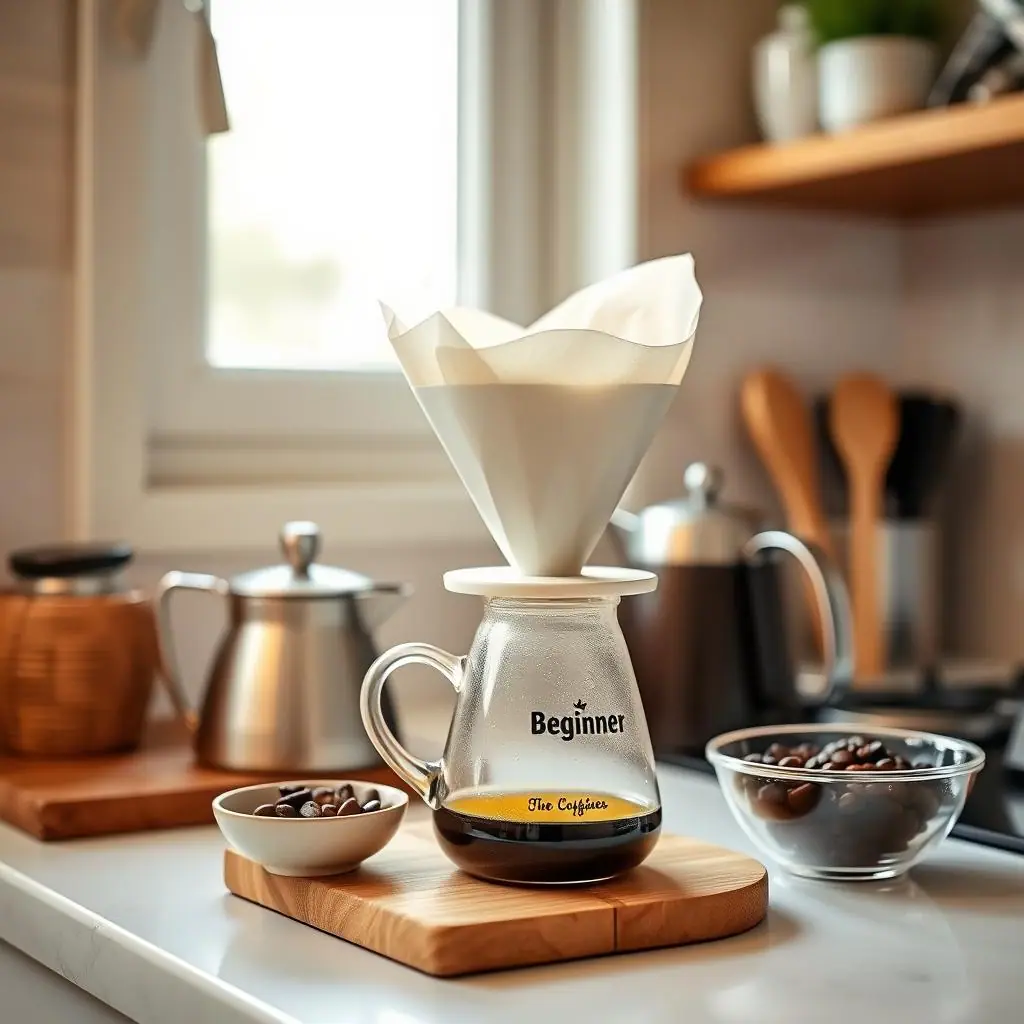
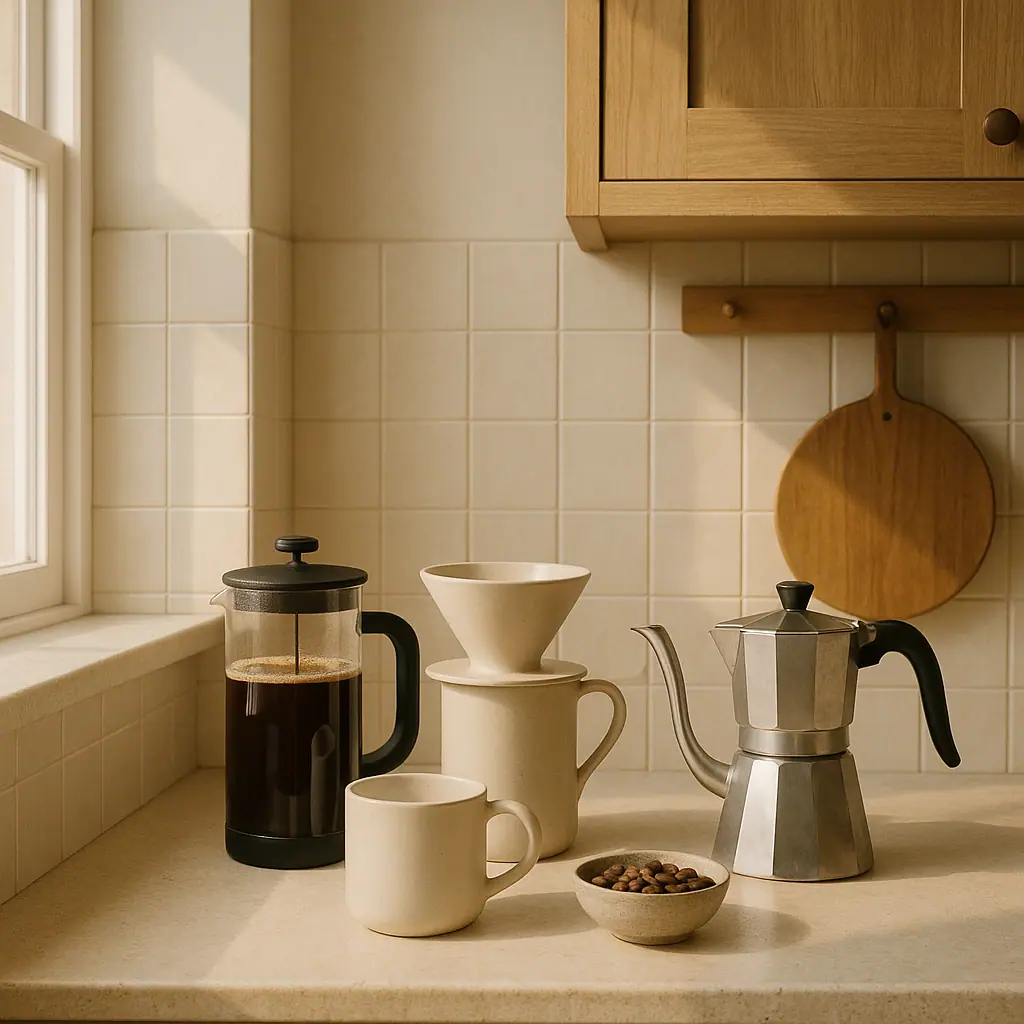
- Pour-over: best for someone who wants a clean cup and does not mind pouring water slowly. It is inexpensive to start, but it asks for attention to grind, filter fit, and pouring pace.
- French press: best for someone who wants a fuller cup and a forgiving setup. It is simple, but cleanup can be messy if grounds go down the sink or sit too long in the press.
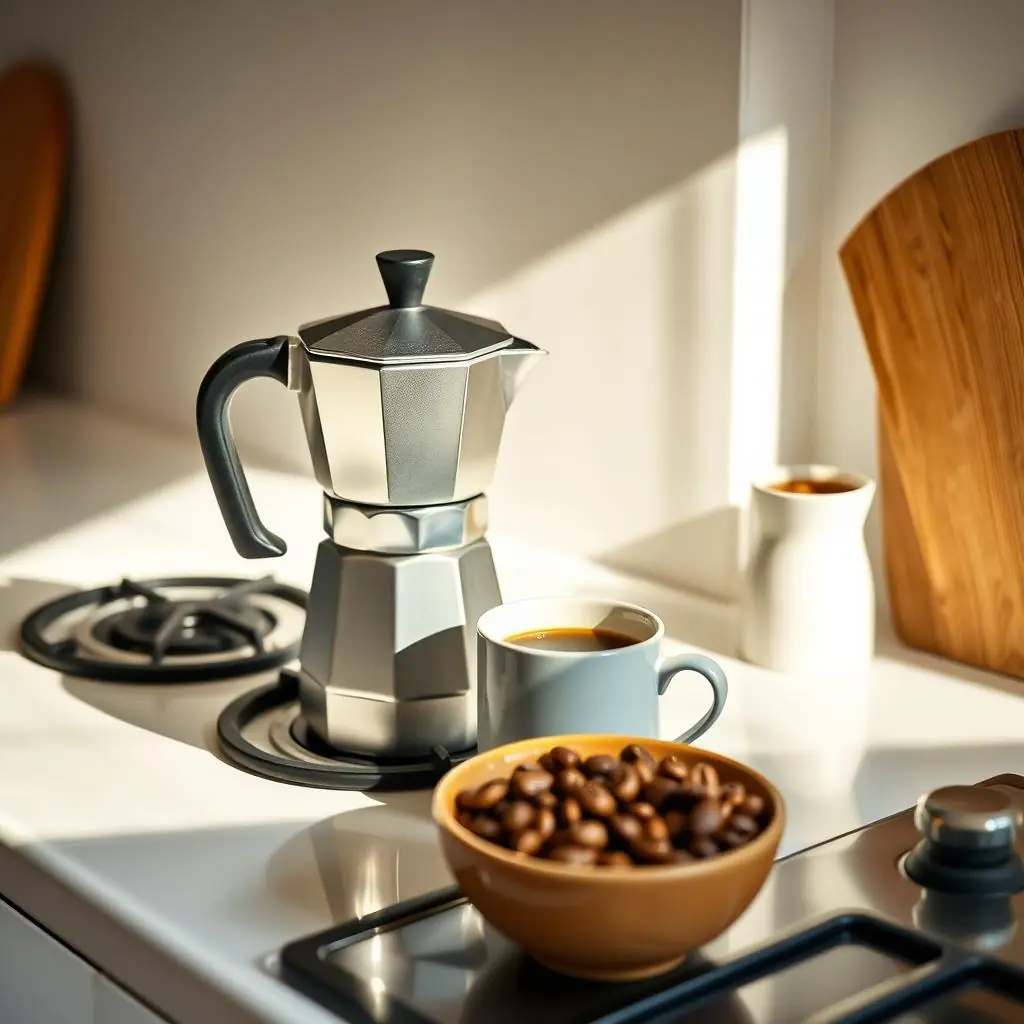
- Moka pot: best for someone who likes strong coffee and has a stovetop routine. It needs careful heat management and should not be treated like an espresso machine.
- AeroPress-style brewer: best for small kitchens and flexible recipes. It is compact and quick, but beginners should keep one simple recipe before experimenting.
- Single-serve drip basket: best for a no-fuss cup with paper-filter clarity. It is easy to clean, though the cup can taste weak if the basket is overloaded or water flows too quickly.
- Pod machine: best for convenience above all else. It is fast and consistent, but cost, waste, and flavor flexibility are tradeoffs worth considering.
Common Single-Cup Coffee Mistakes to Avoid
The most common mistake is choosing a brewer for an idealized routine instead of a real one. If you never want to measure, a precise pour-over habit may frustrate you. If you care deeply about taste changes, a pod machine may feel limiting after the novelty fades.
- Changing method and coffee together: test one familiar coffee in a new brewer before deciding whether the method works.
- Ignoring grind size: a grind that suits French press may not suit pour-over, and a fine grind can clog some filters.
- Skipping cleanup: old oils and trapped grounds make small brewers taste stale quickly.
- Buying for guests first: choose your daily one-cup habit before worrying about occasional larger batches.
- Assuming faster is worse: a fast method that you repeat well can beat a fussy method you rush.
A Simple Checklist
Use this checklist before choosing a single-cup method for your own counter.
- Do I want clean or full-bodied coffee? Choose paper filters for cleaner cups and metal-filter methods for more body.
- Do I have five minutes or ten? Match the brewer to the time you can give it on a normal weekday.
- Will I clean it right away? If not, avoid methods where wet grounds sit in awkward corners.
- Do I already own a kettle? Pour-over and AeroPress-style brewing are easier when hot water is simple to pour safely.
- Can I repeat the same recipe? Pick one dose, one water amount, and one grind for a week before changing the method.
Pros and Cons
Better fit for real routines
Comparing methods by time, cleanup, and attention helps you choose a brewer you will actually use.
Lower chance of wasted gear
You can match a simple need before buying accessories that do not solve your morning problem.
Easier flavor troubleshooting
When the method fits your routine, you can adjust coffee amount, grind, and time more calmly.
No method is perfect
Every single-cup option trades something: speed, cleanup, control, cost, or flavor flexibility.
Some testing is still needed
Your beans, grinder, water, and taste preferences can change which method feels best.
When to Get Extra Help
If you are unsure about an electrical brewer, pod machine, grinder, or kettle, check the manual for your exact model before changing parts, cleaners, or operating steps. Coffee gear is usually simple, but guessing around heat, pressure, glass, or electricity is not worth it.
If your cups taste inconsistent even with the same method, ask a local roaster to grind a small bag for your brewer and compare it with your usual coffee. That gives you a more reliable baseline before you spend money on a new method.
Frequently Asked Questions
What should I check first when comparing single-cup coffee methods?
Check your real morning routine first: available time, cleanup tolerance, counter space, and whether you want a clean or fuller cup.
How often should I review my brewing method?
Review it when your schedule changes, when coffee starts tasting inconsistent, or when cleanup becomes the reason you skip brewing at home.
What should I do if I am not sure which brewer fits me?
Start with the method closest to what you already own. Borrow or test a simple version before buying a more expensive setup.
Can I change methods later?
Yes. Keep notes on what you liked and disliked, then change one part of the routine at a time so the next method solves a real problem.
Final Thoughts
Single-cup coffee methods compared for everyday mornings should lead to a calmer decision, not a bigger shopping list. Pour-over suits careful mornings, French press gives body, moka pot brings intensity, AeroPress-style brewing stays compact, drip baskets keep cleanup simple, and pod machines prioritize speed.
Choose the method that matches tomorrow morning, then brew it the same way for a week. A repeatable habit will teach you more than a counter full of unused options.