Light roast vs medium roast vs dark roast for beginners is not about choosing the most serious coffee. It is about understanding what a roast label can tell you before you buy a bag, brew a cup, and wonder why it tastes brighter, smoother, smokier, or heavier than expected.
Roast level describes how far the coffee was roasted, but it does not explain everything. The bean origin, freshness, grind size, water, and brew method still matter. A light roast can taste lively and fruit-like, a medium roast can feel balanced and familiar, and a dark roast can taste bold, roasty, and bittersweet.
The easiest way to choose is to connect roast level to the cup you want in the morning. If you like a cleaner cup where the bean character comes through, start lighter. If you want a steady everyday cup that works across several brewers, medium is usually friendly. If you want a deeper flavor that stands up to milk, dark may feel more comfortable.
Why Light Roast vs Medium Roast vs Dark Roast Matters
Roast labels help beginners narrow the shelf, but they are not perfect technical measurements. The Specialty Coffee Association has explained in its article on coffee color and roast level that visual color alone can be a limited way to judge roast development. For a home buyer, that means the words light, medium, and dark are useful starting points, not promises that every roaster uses exactly the same scale.
That is why two bags labeled medium can still taste different. One may lean bright and tea-like, while another may lean chocolatey and round. The roast level gives you a direction, then the tasting notes, brew method, and your own routine tell the rest of the story.
Start With the Cup You Already Like
Before comparing roast levels, think about coffee you have enjoyed recently. Was it bright and crisp? Smooth and balanced? Strong, dark, and comfortable with cream? Those clues are more useful than trying to memorize a chart.
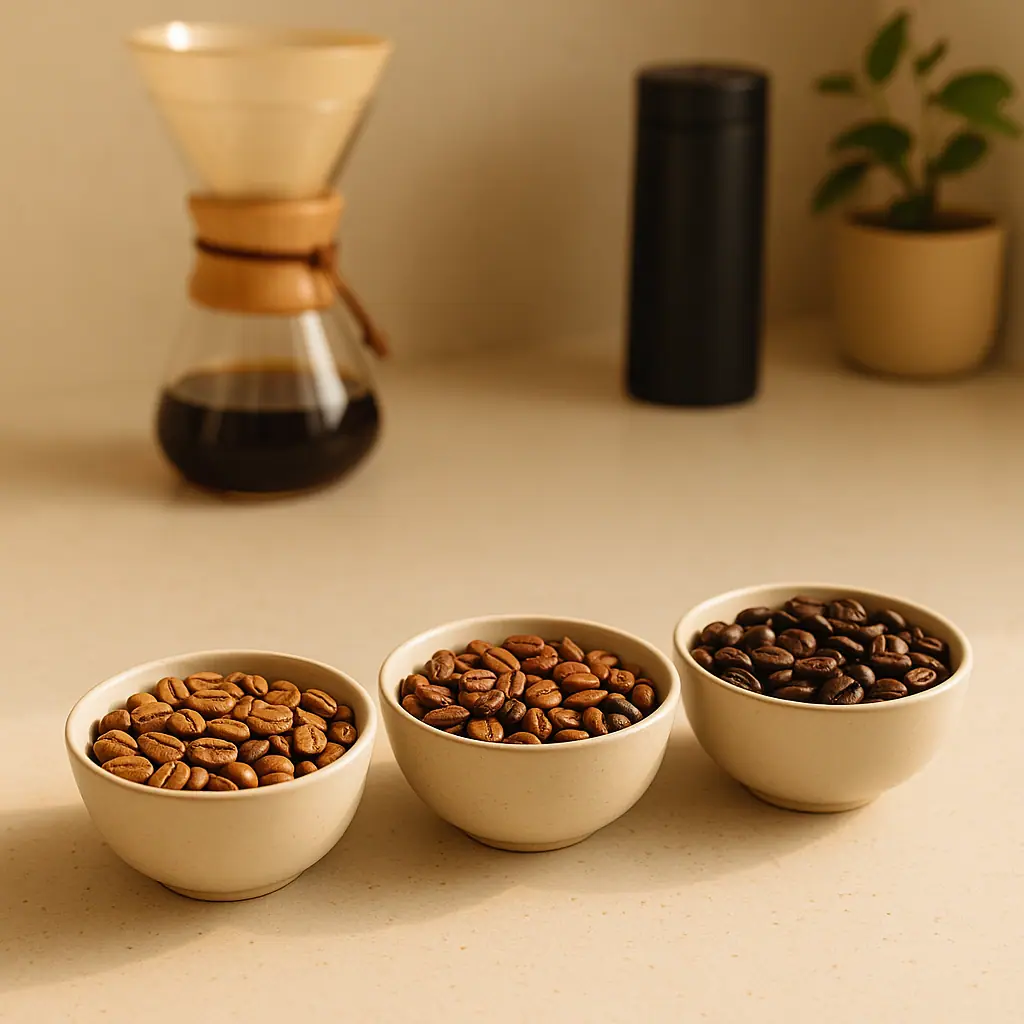
Light roast usually feels brighter
Light roast coffee is generally roasted for less time than darker coffee. It often keeps more of the bean's original character, so beginners may notice fruit, floral, citrus, or tea-like flavors. It can also taste more acidic, which means lively or sharp depending on the coffee and the brew.
Medium roast usually feels balanced
Medium roast is often the easiest starting place because it sits between bright and roasty. It may bring caramel, nuts, cocoa, or gentle sweetness while still keeping some origin character. If you are not sure what you like yet, medium roast is a calm first bag to test.
Dark roast usually feels deeper
Dark roast coffee is roasted longer, so roast-driven flavors become more obvious. Beginners often describe it as bold, smoky, toasty, bitter, or chocolate-like. It can work well with milk or cream because the flavor does not disappear as easily.
What to Check First for Light Roast vs Medium Roast vs Dark Roast
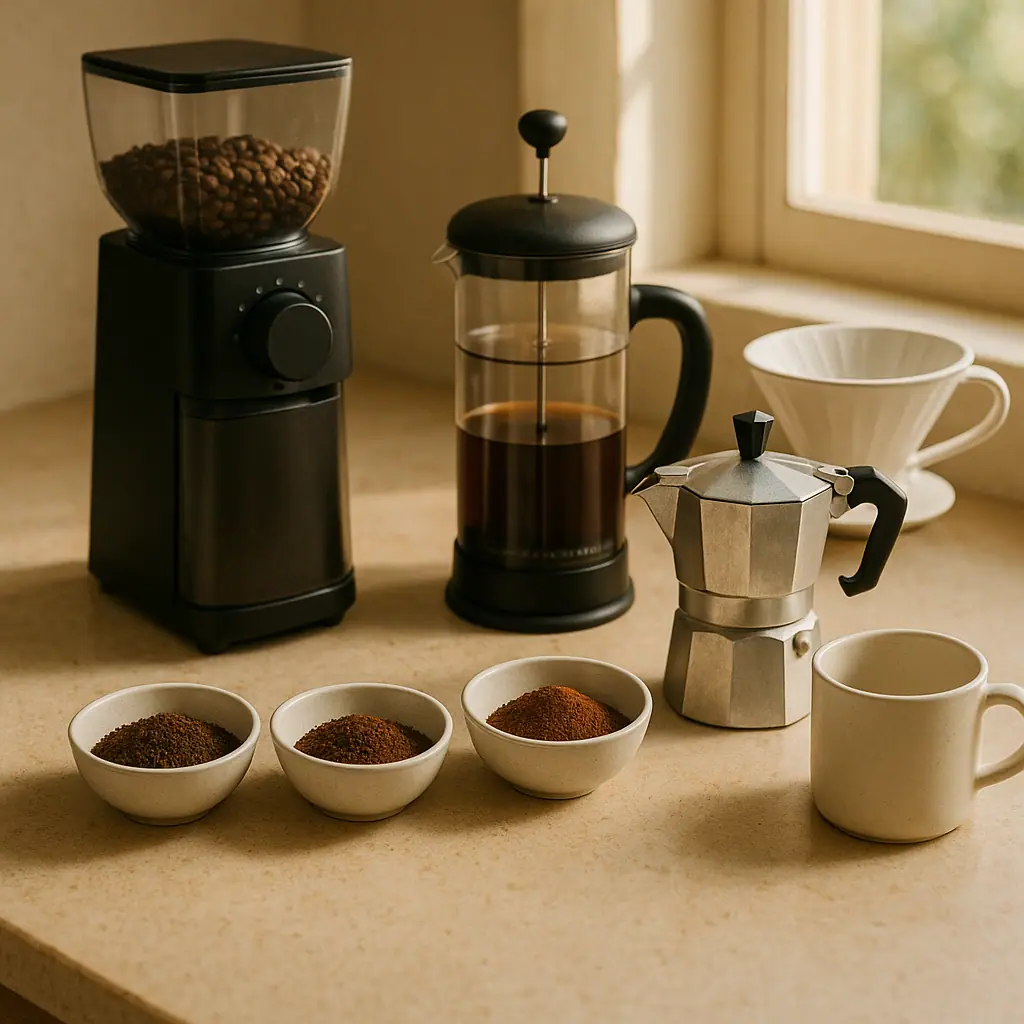
Start with your main brew method. A roast can behave differently in drip coffee, French press, pour-over, moka pot, or cold brew. Lighter roasts may need a little more attention to grind and brew time, while darker roasts can become bitter quickly if the recipe is too aggressive.
- Your brewer: drip and pour-over can show bright flavors clearly, while French press and moka pot often make heavier cups.
- Your grind size: a grind that is too fine can make dark roast taste harsh, while a grind that is too coarse can make light roast taste thin.
- Your milk habit: if you add milk every day, medium-dark or dark roast may feel more satisfying than a delicate light roast.
- Your flavor words: choose based on tasting notes you understand, such as chocolate, nutty, citrus, berry, caramel, or smoky.
- Your tolerance for experimenting: light roast often rewards small adjustments, while medium roast is usually easier for a low-fuss routine.
If grind size is part of the confusion, DailyBrewNook has a practical guide to a coffee grind size chart for home brewing methods. Roast level and grind size work together, so changing both at once can make troubleshooting harder.
How to Choose a Roast Step by Step
Use this simple process before buying your next bag. It keeps the decision tied to your real kitchen instead of coffee shop vocabulary.
- Pick one normal brewer: choose the method you use most often, not the one you hope to master later.
- Choose a starting roast: pick medium if you feel unsure, light if you want brighter flavor, or dark if you want a heavier cup.
- Read the tasting notes: choose words you would actually enjoy in coffee. If smoke and bitter chocolate sound good, dark may fit. If berry and citrus sound good, try light.
- Buy a modest bag: do not overcommit while learning. A smaller bag lets you test without forcing yourself through weeks of coffee you dislike.
- Keep the recipe steady: use the same coffee amount, water amount, grind, and brew time for a few cups before judging the roast.
- Adjust one variable: if the cup tastes bitter, sour, weak, or muddy, change one thing at a time so you know what helped.
For beginners, the most helpful first test is often medium roast in your usual brewer. It gives you a reference point. From there, move lighter if you want more brightness or darker if you want more roast depth.
Common Roast Mistakes to Avoid
The first mistake is assuming dark roast has to be stronger in every way. Dark roast often tastes stronger because the roast flavor is heavier, but strength in the cup also depends on how much coffee you use, how much water you add, and how the coffee is brewed.
The second mistake is treating light roast as automatically better or more advanced. A good light roast can be beautiful, but it can also taste sour or thin if the grind and brew are not close enough. You do not need to start there to be making thoughtful coffee.
The third mistake is buying based only on roast color. Bags, lighting, and roaster language can vary. Use the roast label, tasting notes, and your past preferences together. If a local shop roasted the coffee, ask what brew method they think fits that bag.
Pros and Cons
Light roast highlights bean character
It can show fruit, floral, citrus, or tea-like notes when the coffee and brew method are well matched.
Medium roast is beginner-friendly
It often balances sweetness, body, and familiar coffee flavor without demanding too much adjustment.
Dark roast works well with milk
Its deeper roast flavor can hold up in lattes, cream, and richer breakfast cups.
Light roast can taste sharp
If the recipe is off, a bright coffee may feel sour, thin, or less comforting than expected.
Dark roast can turn bitter quickly
Too fine a grind, too much coffee, or too long a brew can make dark roast taste harsh.
A Simple Roast Checklist
- Choose light roast if: you like bright, crisp flavors and do not mind small recipe adjustments.
- Choose medium roast if: you want a balanced everyday cup and are still learning your preferences.
- Choose dark roast if: you prefer deeper, roasty flavor or usually add milk, cream, or sweetener.
- Check tasting notes: use the words on the bag to confirm the roast label matches what you want.
- Keep notes: write down the roast, brewer, grind, and whether you would buy it again.
If you are comparing roast levels with whole beans, it also helps to understand whole bean vs ground coffee. Fresh grinding can make roast differences easier to notice, but only if the grinder fits your routine.
When to Get Extra Help
Ask a local roaster, cafe, or knowledgeable shop employee for a roast that fits your actual brewer and flavor preference. A clear request sounds like this: "I use a drip coffee maker, I like chocolatey coffee, and I add a little milk." That gives them more to work with than simply asking for the best bag.
Get extra help if every roast tastes bitter, sour, or weak no matter what you buy. The issue may be grind size, old filters, water amount, dirty equipment, or a recipe that is changing from cup to cup. Roast level is one part of the routine, not the whole routine.
Frequently Asked Questions
Which roast should a beginner try first?
Medium roast is usually the safest first test because it is balanced and familiar. After that, try one light roast and one dark roast to learn what changes in your cup.
Does dark roast always have more caffeine?
No. Dark roast often tastes stronger, but caffeine depends on serving size, coffee amount, brewing method, and how the coffee is measured. Do not use roast level alone to judge caffeine.
Why does light roast sometimes taste sour?
It may be under-extracted in your brewer, especially if the grind is too coarse, brew time is too short, or water temperature is not helping the coffee extract fully.
Can I use any roast in any coffee maker?
Yes, but some pairings are easier. Medium roast is flexible, dark roast can work well with milk or press-style cups, and light roast often needs more careful grind and brew timing.
Final Thoughts
Light roast vs medium roast vs dark roast for beginners comes down to flavor direction and routine. Light roast tends to be brighter, medium roast tends to be balanced, and dark roast tends to be deeper and more roast-forward.
For your next bag, choose one roast level that matches the cup you actually want. Brew it the same way for several mornings, notice what you like, and make only one small change next time. That steady habit will teach you more than any roast chart.