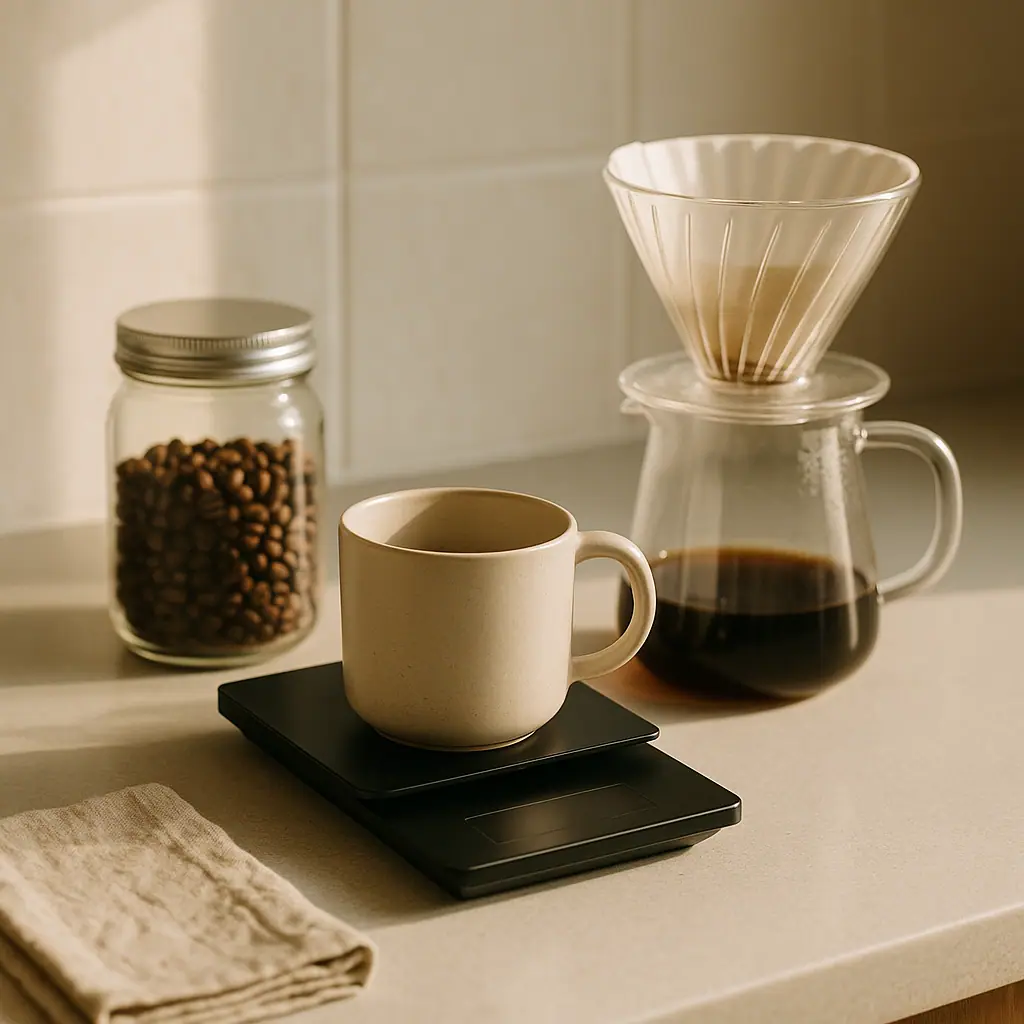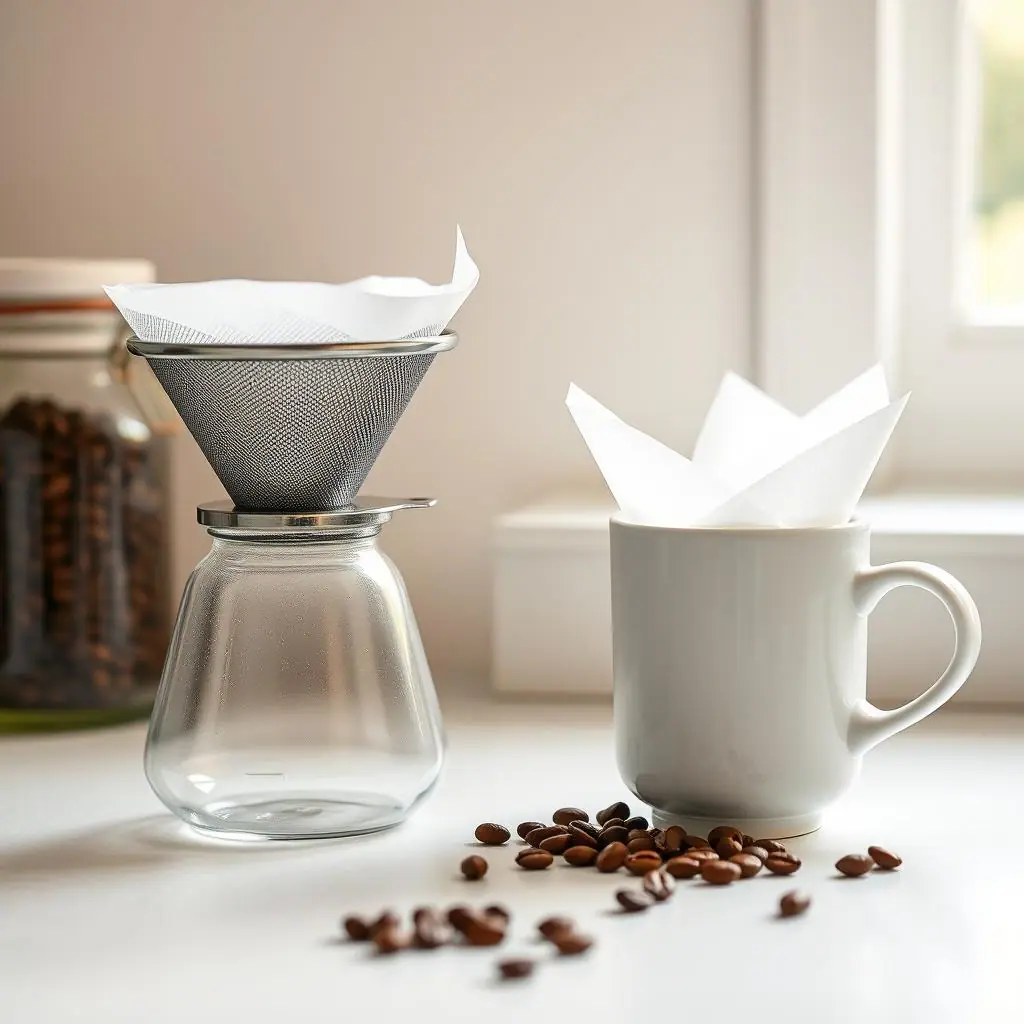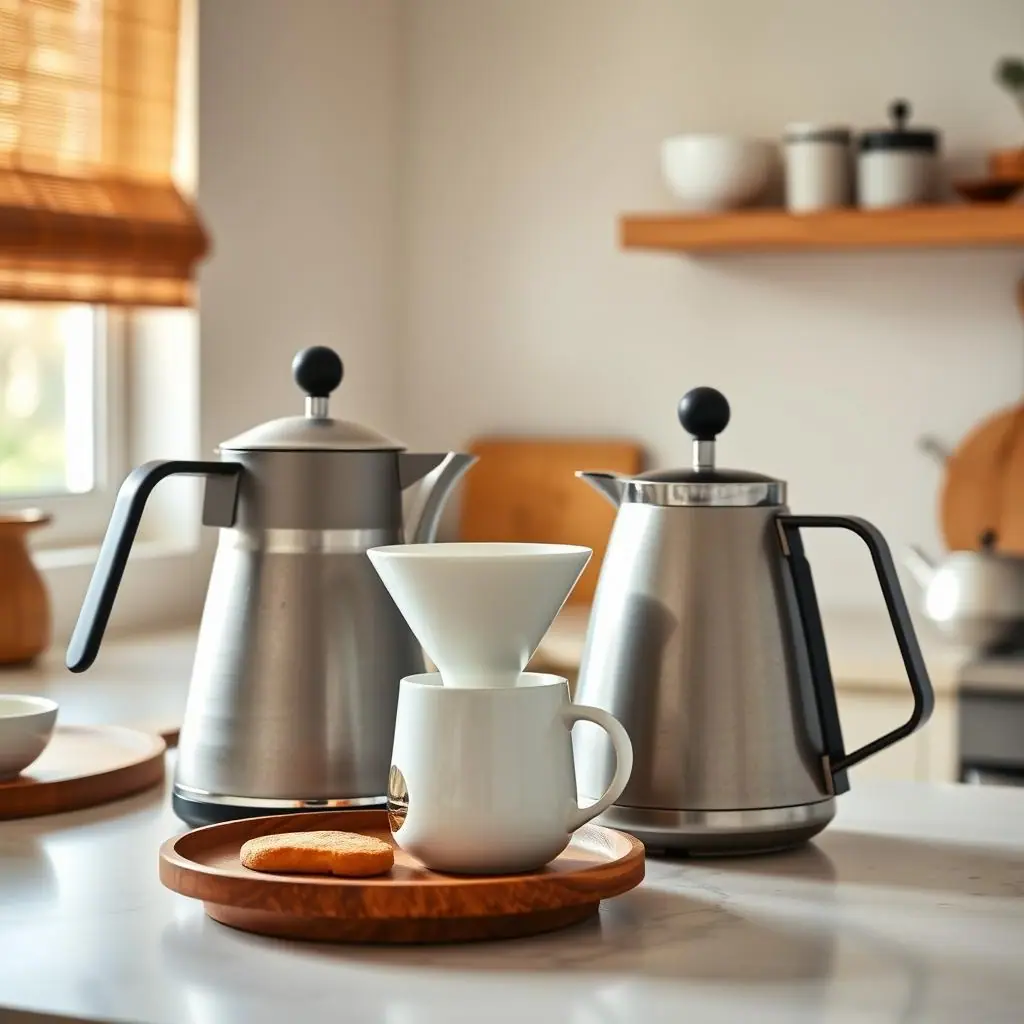
Gooseneck kettle vs regular kettle for home coffee is really a question about control. Both can heat water. Both can make good coffee. The difference is whether your brewing method benefits from a slower, steadier pour.
If you mostly make drip coffee, French press, moka pot, cold brew, or instant coffee, a regular kettle may already be enough. If you make pour-over coffee, especially with a cone dripper, a gooseneck kettle can make the routine calmer because the narrow spout helps you pour where you mean to pour.
This guide keeps the decision practical. You will see when a gooseneck kettle is worth buying, when a regular kettle is fine, what features to check, and how to avoid adding another tool that does not fit your morning.
Why This Matters for Home Coffee
Better coffee does not always come from buying more gear. Often it comes from making one part of the routine easier to repeat. With kettles, the important question is not whether a gooseneck kettle is more fashionable. It is whether pour control changes the coffee you actually brew.
The Specialty Coffee Association describes brewing control as a way to understand how variables such as ratio, strength, and extraction shape the cup. Its discussion of the Coffee Brewing Control Chart is useful background because it shows why repeatable brewing variables matter, even if you are not trying to brew like a professional barista.
Start With the Coffee You Brew Most Often
Before comparing kettles, name your normal coffee. A person who makes one French press every morning has a different need than someone who practices pour-over recipes on weekends.
A regular kettle can work well when the water simply needs to get hot and move into a larger brewer. French press, drip-machine water tanks, moka pots, tea, oatmeal, and general kitchen use do not require a narrow spout. The pour does not have to trace circles across a coffee bed.
A gooseneck kettle becomes more useful when the pour itself is part of the brewing method. With pour-over, water flow affects how evenly the coffee bed gets wet. A wide, rushing stream from a regular kettle can disturb grounds, flood the filter, or make it harder to pour slowly.
When a regular kettle is enough
Keep using a regular kettle if your coffee tastes steady, your brewer does not need careful pouring, and you would rather spend money on fresh beans, a better grinder, or cleaning supplies first.
When a gooseneck kettle makes sense
Consider a gooseneck kettle if you brew pour-over often, struggle to pour slowly, overshoot your water amount, or want a calmer way to wet the coffee bed evenly. It is not required for every home coffee setup, but it can remove frustration from a pour-over routine.
What to Check First for Gooseneck Kettle vs Regular Kettle for Home Coffee
Start with fit, not features. The right kettle should work with your counter, your heat source, your storage, and your habits. A beautiful kettle that is awkward to fill, clean, or store will not improve daily coffee.
- Brewing method: pour-over benefits most from a gooseneck spout. Immersion methods and automatic drip usually do not need it.
- Heat source: stovetop kettles must match your stove. Electric kettles need a safe outlet and counter space near the brew area.
- Capacity: choose enough water for your normal batch without making the kettle heavy or slow for one-cup mornings.
- Pour comfort: the handle should feel stable when the kettle is partly full, not wrist-heavy or slippery.
- Temperature needs: variable temperature is convenient, but many beginners can start with a simple boil-and-rest routine.
- Storage: if the kettle will live on a crowded counter, check footprint before you buy.
If your setup is still forming, compare this choice with your basic coffee station essentials. A kettle should support the brewer you already use, not force your whole counter to reorganize around it.
How to Choose the Right Kettle Step by Step
Use a simple decision path. You do not need to compare every kettle on the market before making a reasonable choice.
- List your main brewer: write down the coffee method you use at least three times a week.
- Check whether pour direction matters: if water must be added slowly and evenly over exposed grounds, a gooseneck has a stronger case.
- Try your current kettle first: pour slowly into an empty mug or brewer. If the stream rushes, splashes, or feels hard to aim, note that friction.
- Decide on electric or stovetop: electric is convenient for counters with outlet space; stovetop is simpler if you already heat water there.
- Choose only needed features: temperature presets, hold settings, and built-in timers are nice, but they are not required for every beginner.
- Protect the routine: pick the kettle you will actually rinse, dry, refill, and store without annoyance.
For pour-over drinkers, a gooseneck kettle pairs naturally with a beginner process like pour-over coffee without expensive gear. Let the kettle make the recipe more repeatable rather than more complicated.
Common Kettle Mistakes to Avoid
The first mistake is buying a gooseneck kettle before knowing whether you like pour-over coffee. If you are still exploring brew methods, a regular kettle plus a simple brewer may be enough while you learn your taste.
The second mistake is assuming temperature control matters more than water flow. Temperature control can be helpful, but if your problem is a rushing pour, a precise display alone will not solve it. Match the feature to the problem.
The third mistake is choosing a kettle that is too large for your real routine. A big kettle may look useful, but it can feel heavy, slow, and awkward when you only brew one mug. Daily coffee gear should feel easy at 7 a.m., not just impressive on a product page.
Pros and Cons
Better pour control
The narrow spout makes it easier to pour slowly, aim at specific spots, and avoid flooding a pour-over filter.
Calmer pour-over routine
Beginners often find it easier to bloom coffee and continue with a steady pattern when the stream is controlled.
Useful if you follow recipes
A gooseneck kettle works well with a scale and timer because you can add water in smaller, more deliberate pours.
Not necessary for every brewer
French press, drip machines, moka pots, and cold brew usually do not require the extra spout control.
Can cost more and take space
Electric gooseneck models with temperature settings can add expense and counter clutter if you rarely use pour-over.
A Simple Kettle Checklist
- Do I make pour-over often? If yes, a gooseneck kettle is more likely to help.
- Does my current kettle pour too fast? If the stream is hard to control, a gooseneck solves a real problem.
- Do I need temperature presets? Helpful, but optional if you prefer a simple routine.
- Will it fit my counter? Check base size, cord placement, and storage before choosing electric.
- Can I lift it comfortably? Handle comfort matters more than a long feature list.
- Am I buying for today's routine? Choose based on the coffee you actually brew, not the setup you imagine using someday.
When to Get Extra Help
Check the product manual or manufacturer page before using any kettle on a stove, induction cooktop, or electric base. Kettles are simple tools, but heat source compatibility, maximum fill lines, cleaning instructions, and electrical warnings still matter.
If you share a small kitchen, also consider the non-coffee uses. A regular kettle may be more useful for tea, cooking water, and general household use. A gooseneck kettle can still do those jobs, but the slower pour may feel less convenient for everyone else.
Frequently Asked Questions
Do I need a gooseneck kettle for pour-over coffee?
You do not strictly need one, but it helps. The controlled spout makes it easier to pour slowly and evenly, which is useful when water flow affects the coffee bed.
Can I use a regular kettle for good home coffee?
Yes. A regular kettle is fine for many methods, including French press, drip coffee, moka pot prep, cold brew setup, and general hot water needs.
Is an electric gooseneck kettle better than a stovetop one?
It depends on your space. Electric models are convenient and may offer temperature settings. Stovetop models are simpler if your counter has limited outlet space.
What should I check before buying any kettle?
Check capacity, heat-source compatibility, handle comfort, cleaning instructions, and where it will live. The best kettle is the one that fits your normal morning.
Final Thoughts
In the gooseneck kettle vs regular kettle for home coffee decision, the practical answer is simple: buy the tool that matches your brewer. A gooseneck kettle is most useful for pour-over because it gives you a steadier, more controlled stream. A regular kettle is still a sensible choice for many other methods.
If you are unsure, keep your current kettle for one more week and notice where the routine feels frustrating. If the problem is control during a pour-over, a gooseneck can earn its space. If the problem is stale beans, inconsistent grind, or a messy station, fix that first.