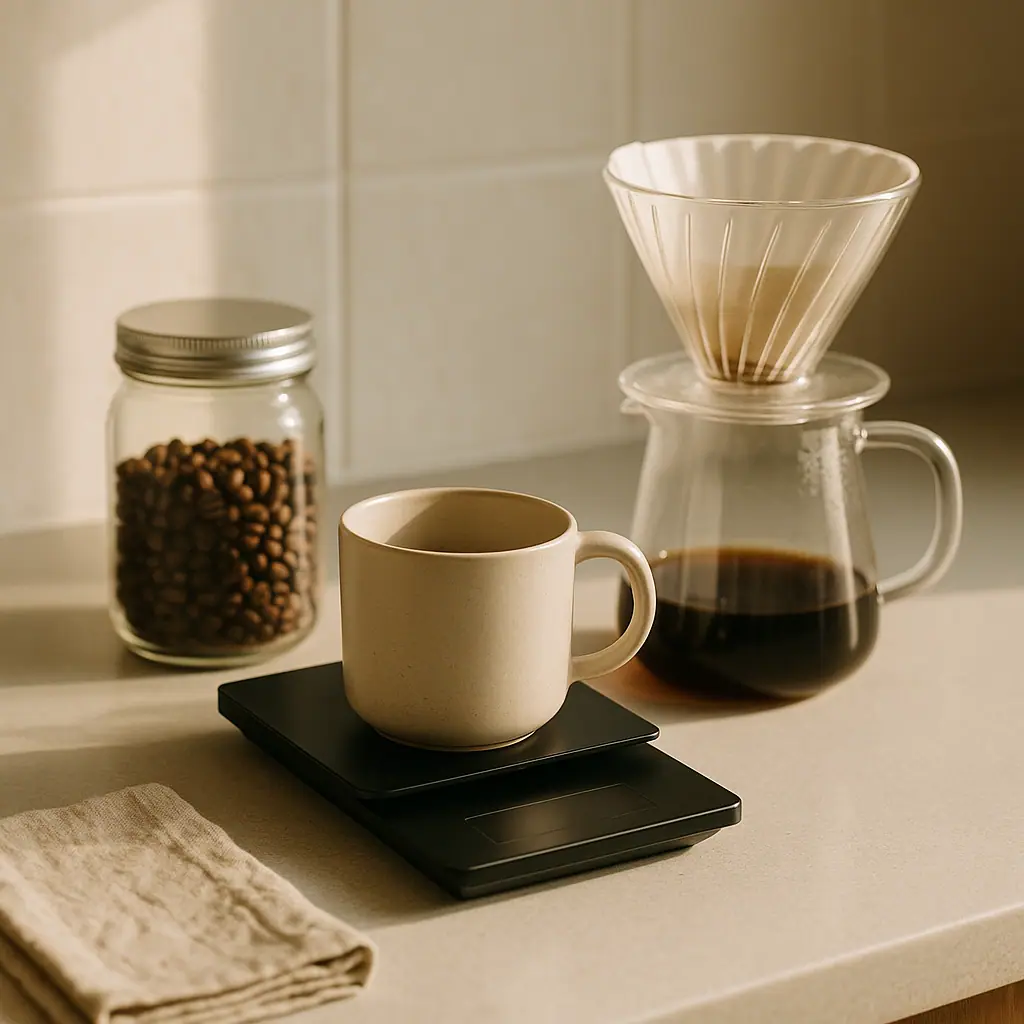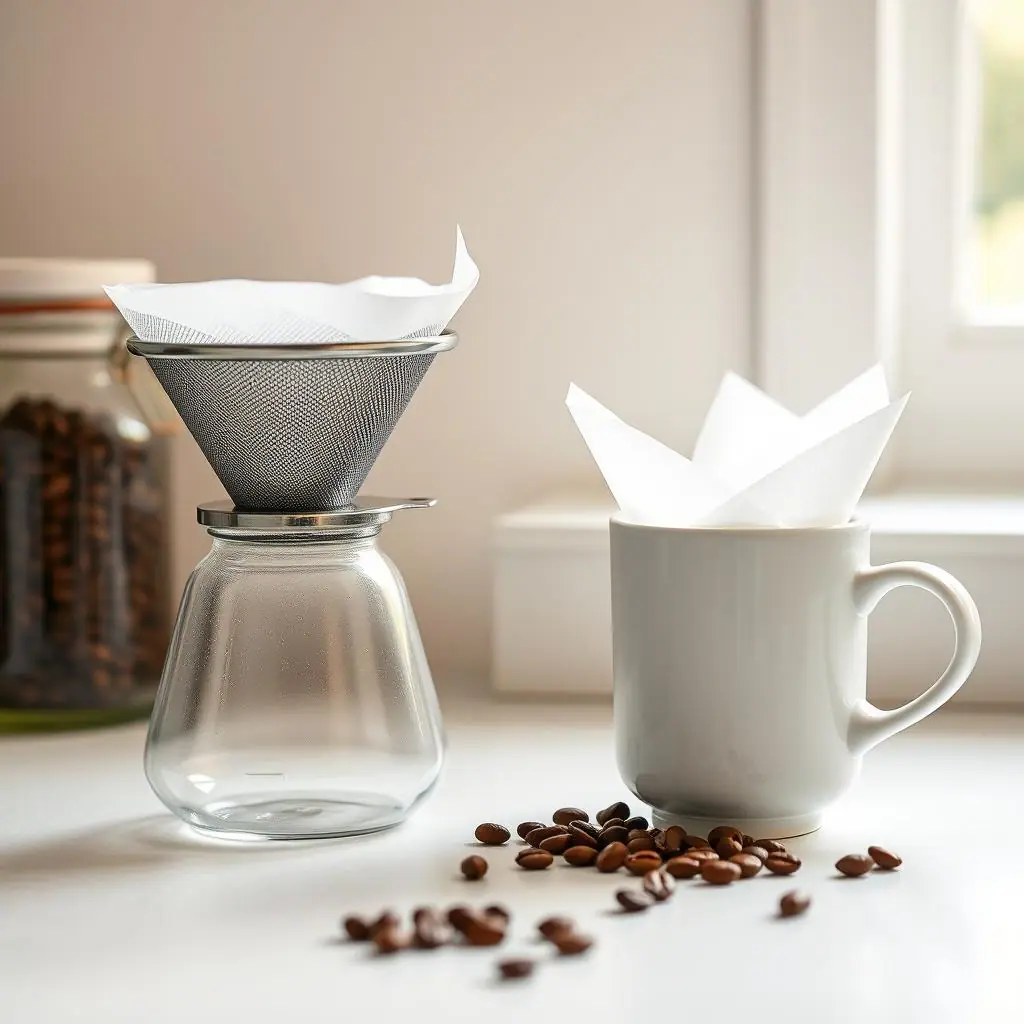
Reusable coffee filters vs paper filters can sound like a tiny gear choice, but it changes several parts of the home coffee routine. It affects the cup texture, how much cleanup you do, what you keep stocked, and how predictable your morning feels.
For beginners, the best answer is not automatically the greener-looking option or the most traditional option. A reusable metal or cloth filter can reduce the need to buy paper filters again and again, but it also needs rinsing and occasional deeper cleaning. A paper filter is simple and tidy, but it creates a supply habit and can change the way oils and fine particles reach the cup.
This guide compares the practical tradeoffs at home: taste, body, cleanup, cost, storage, waste, and when each option makes sense. By the end, you should be able to choose the filter that fits your actual brewer and weekday patience.
Why Filter Choice Matters for Home Coffee
A coffee filter does more than hold grounds in place. It shapes what moves from the coffee bed into the cup. Paper filters usually trap more oils and fine sediment, which can make the cup feel cleaner and lighter. Reusable metal filters usually allow more oils and tiny particles through, which can make the cup feel fuller, heavier, or slightly textured.
The Specialty Coffee Association has published useful background on how brewing variables affect strength, extraction, and flavor perception. Its discussion of the Coffee Brewing Control Chart is a helpful reminder that small brewing variables can change the cup, even when the recipe looks almost the same.
At home, you do not need lab tools to use that idea. You only need to notice whether your filter choice makes the coffee taste clearer, heavier, smoother, muddier, or easier to repeat.
Start With Your Brewer and Your Daily Habit
Before comparing materials, check what your brewer accepts. Some pour-over cones need a specific paper shape. Some drip machines use basket filters. Some brewers have their own reusable insert. A filter that technically fits but folds badly, drains unevenly, or leaves gaps around the edge can make brewing less consistent.
If you are still building the rest of the setup, filter choice should support your normal tools. A simple station with mugs, beans, grinder, filters, and a kettle is easier to maintain when each item has a clear home. Our guide to coffee station essentials can help you decide whether filters should live in a drawer, canister, basket, or next to the brewer.
Also think about timing. If you brew before work and want the fastest reset, paper may feel easier. If you enjoy rinsing gear right away and dislike running out of supplies, a reusable filter may fit naturally.
Paper filters in plain language
Paper filters are disposable sheets or baskets that hold the grounds during brewing. They are usually simple to use: place, brew, lift out, and discard or compost where appropriate. The main habit is remembering to keep the right size on hand.
Reusable filters in plain language
Reusable filters are often made from metal mesh, cloth, or another washable material. They can last through many brews, but they need prompt rinsing so oils and fine grounds do not build up. Cloth filters usually need especially careful drying and storage.
What to Check First for Reusable Coffee Filters vs Paper Filters
Use practical checks before buying a reusable filter or changing your paper routine. The right answer depends on your brewer, your taste, and your cleanup tolerance.
- Brewer fit: confirm the exact filter shape, size, and compatibility before buying. A poor fit can cause bypass, slow draining, or messy overflow.
- Cup texture: choose paper if you prefer a cleaner, lighter cup. Consider reusable metal if you like more body and do not mind a little texture.
- Cleanup timing: reusable filters work best when you rinse soon after brewing. Paper filters are easier if you often leave the house quickly.
- Storage: paper filters need a dry place where they stay clean and flat. Reusable filters need a spot where they can dry fully.
- Cost habit: paper filters are a small repeated purchase. Reusable filters cost more up front but may reduce restocking later.
- Water flow: changing filter type can change how fast water drains. Expect to adjust grind size or pouring slightly if the brew tastes different.
If your filter change makes the cup taste unexpectedly weak, bitter, or flat, look beyond the filter before blaming the brewer. Grind size and water flow can shift at the same time, especially with pour-over. The guide on coffee grind size for home brewing methods is a useful next check when the same beans suddenly behave differently.
How Paper Filters Compare Day to Day
Paper filters are popular because they make cleanup simple. You remove the filter with the grounds inside, discard it, and rinse the brewer. That is useful in a busy kitchen or shared apartment where nobody wants a wet filter drying by the sink.
The cup usually tastes cleaner because paper catches more fine particles and oils. For many beginners, this is pleasant because the coffee feels lighter and less gritty. It can also make it easier to compare beans because the cup has less sediment competing with flavor.
The tradeoff is supply management. If you run out of the right filter size, the brewer becomes harder to use. Paper filters also add an ongoing cost, and some people dislike the waste. Rinsing paper before brewing can reduce papery taste in some setups, but it adds one extra step and uses a little water.
How Reusable Filters Compare Day to Day
Reusable filters appeal to people who want fewer disposable supplies and a fuller cup. Metal mesh filters are common for pour-over cones and drip baskets. They usually let more oils and small particles pass through, which can make the coffee feel rounder and heavier.
This can be enjoyable if you like body, but it may disappoint you if you want a very clean cup. Fine sediment at the bottom of the mug is not always a brewing mistake; it may simply be part of the reusable filter style.
The main responsibility is cleaning. A quick rinse may be enough right after brewing, but oils can build up over time. If the filter starts smelling stale, draining slowly, or making coffee taste dull, it probably needs a deeper clean according to the manufacturer's instructions. Cloth filters need even more care because they can hold moisture and old coffee oils if stored badly.
Pros and Cons
Fewer restocking moments
Once the filter fits your brewer, you do not have to remember paper filter size every time you shop.
Fuller cup texture
Metal filters often allow more oils and fine particles through, which can give the coffee more body.
Good fit for steady routines
If you rinse gear right after brewing, a reusable filter can become an easy part of the reset.
Needs prompt cleaning
Old oils and trapped fines can make the filter smell stale or slow down if cleaning gets skipped.
May taste heavier than expected
If you prefer a crisp, clear cup, the extra body and sediment from some reusable filters may not feel like an upgrade.
A Simple Decision Path
Instead of treating this as a permanent identity choice, run a small home test if your brewer allows it. Keep the same coffee, same amount of water, same grind setting, and same brew time as much as possible. Change only the filter type.
- Confirm fit first: use only filters made for your brewer shape and size.
- Brew one familiar coffee: choose beans you already know so the difference is easier to notice.
- Keep the recipe steady: use the same coffee amount, water amount, and pouring style for the first comparison.
- Notice texture before judging flavor: ask whether the cup feels cleaner, heavier, smoother, or muddier.
- Check cleanup honestly: after brewing, notice which filter you would actually want to deal with tomorrow.
- Adjust only if needed: if the reusable filter drains faster or slower, make small grind or pour changes later.
A filter change is similar to other small gear decisions. It should improve a real part of the routine instead of creating a new chore. If you are comparing other helpful accessories, the guide to whether you need a coffee scale at home can help you decide which upgrade affects consistency most.
Common Filter Mistakes to Avoid
The first mistake is switching filter type and changing several other variables at the same time. If you use new beans, a new grind, a new recipe, and a new filter, you will not know what caused the difference. Keep the test boring on purpose.
The second mistake is letting a reusable filter dry with grounds still inside. Coffee oils and fine particles can cling to mesh or cloth. Rinse promptly, dry fully, and follow the cleaning instructions for the specific material.
The third mistake is assuming paper filters are all identical. Bleached, unbleached, cone, basket, thick, thin, branded, and generic filters can fit and drain differently. If your coffee suddenly tastes papery or drains strangely, check the filter before changing the whole recipe.
A Simple Filter Checklist
- Do I prefer a clean cup? Paper is usually the safer first choice.
- Do I like more body? A reusable metal filter may be worth testing.
- Will I rinse right away? If not, paper may fit your mornings better.
- Do I know my filter size? Write it down near your coffee supplies or save it in your shopping list.
- Can the reusable filter dry fully? Give it an open spot instead of sealing it damp in a drawer.
- Did I change only one variable? Keep the first comparison simple so the result is useful.
When to Get Extra Help
Check the brewer manual or manufacturer page before buying a reusable insert, putting a filter in the dishwasher, using cleaning tablets, or switching to cloth. Compatibility and cleaning instructions vary by product, and a broad coffee article cannot safely replace the exact guidance for your brewer.
If you have questions about composting paper filters, local waste rules, or whether a specific material fits your household needs, verify those details locally. The practical coffee answer and the local disposal answer are not always the same.
Frequently Asked Questions
Do reusable coffee filters make coffee taste different?
Often, yes. Metal reusable filters usually let more oils and fine particles into the cup, so the coffee can feel fuller or slightly heavier than coffee brewed through paper.
Are paper coffee filters better for beginners?
Paper filters are often easier for beginners because cleanup is simple and the cup tends to taste cleaner. They are not automatically better, but they are low-friction.
How often should I clean a reusable coffee filter?
Rinse it after every brew and follow the manufacturer's guidance for deeper cleaning. If it smells stale, drains slowly, or leaves dull flavors, clean it more thoroughly.
Can I switch between reusable and paper filters?
Yes, if your brewer supports both. Keep the recipe steady at first, then adjust grind size or pouring only after you taste the difference.
Final Thoughts
Reusable coffee filters vs paper filters is really a question about taste and routine. Paper filters are simple, tidy, and often cleaner in the cup. Reusable filters can reduce restocking, add body, and suit people who already clean gear right after brewing.
For most home brewers, the calmest answer is to start with the filter that fits your current mornings. If paper keeps brewing easy, stay with paper. If you want more body and do not mind rinsing, test a reusable filter with one familiar coffee before changing anything else.