How to store coffee beans at home without overthinking it starts with one plain goal: protect the beans from the things that make them taste flat before you can enjoy the bag. You do not need a complicated vault, a perfect shelf, or a collection of matching containers. You need a clean, dry, closed place that fits your daily brewing habit.
For most home coffee beginners, the best setup is simple. Buy an amount you can use while it still tastes lively, close the bag well or move the beans into an airtight container, and keep them away from heat, light, moisture, and strong kitchen smells. That small routine usually matters more than buying a fancy canister before you know how quickly you finish coffee.
This guide keeps the decision practical. You will choose where the beans live, what container is good enough, when to leave them in the original bag, and when freezing makes sense only as a careful backup.
Why How to Store Coffee Beans at Home Without Overthinking It Matters
Coffee is not like a pantry spice that stays equally interesting forever. Once beans are roasted and the bag is opened, flavor slowly changes. Air, light, heat, moisture, and odors all make that change faster. The National Coffee Association gives similar home storage guidance in its resource on coffee storage and shelf life, including airtight, opaque storage in a cool and dark location.
The beginner mistake is turning that advice into a stressful shopping project. A better approach is to remove the obvious problems first. If your beans sit beside the stove, in a clear jar on a sunny counter, or open inside the grinder hopper for a week, you have easy improvements available before buying anything new.
Start With the Bag You Already Have
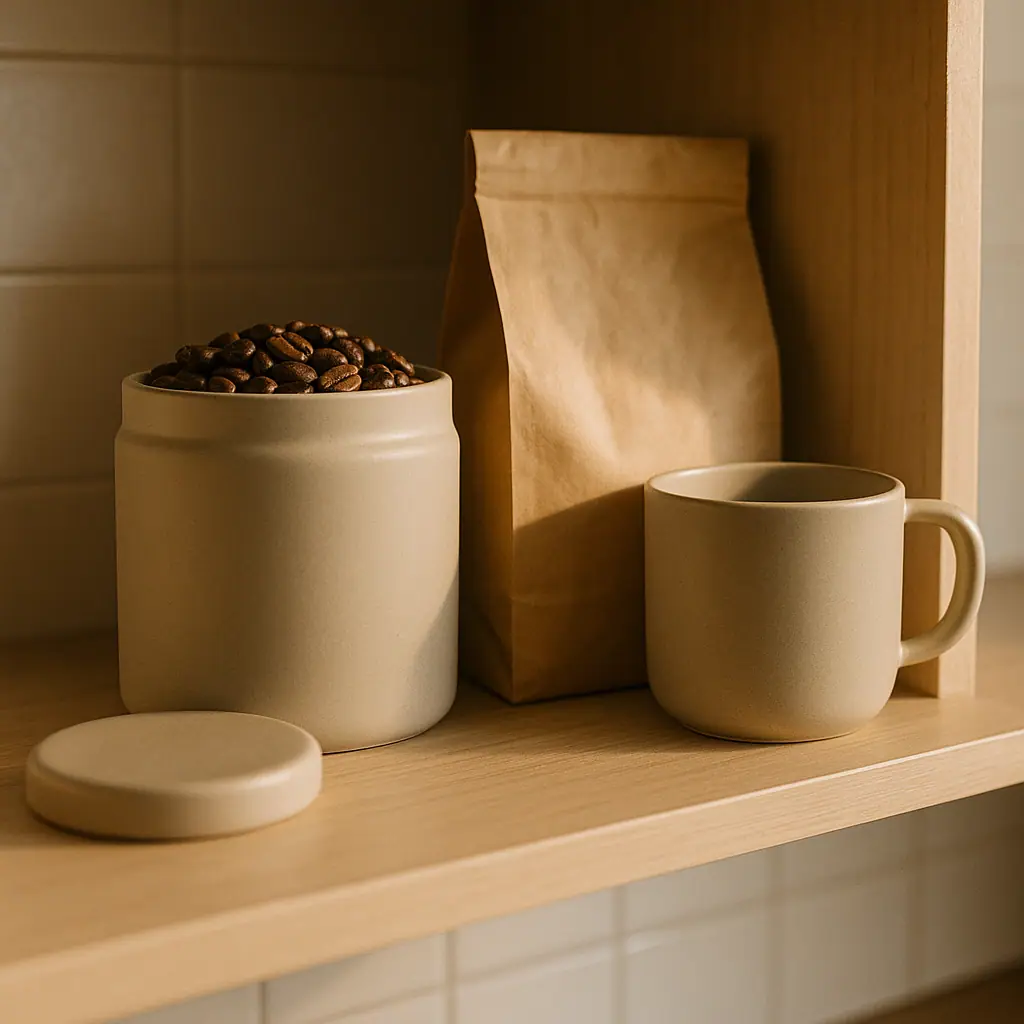
Before choosing a container, look at the coffee bag itself. Many fresh coffee bags have a resealable top and a one-way valve. If the seal closes firmly and you use the beans within a reasonable time, that bag may be enough for your everyday routine.
When the original bag is fine
Keep beans in the original bag when it has a dependable reseal, the bag is opaque, and you can squeeze out extra air before closing it. Put that closed bag in a cabinet, pantry, or drawer away from the oven, dishwasher, window, and sink.
When a container helps
Move beans to a container when the bag will not close well, you keep spilling beans, or the bag has to live in a busy cabinet where it gets crushed. Choose a container that is clean, dry, food-safe, and easy to open every morning. Opaque is better than clear unless the clear container lives inside a dark cabinet.
What to Check First for Coffee Bean Storage
Good storage begins with your kitchen, not with a product page. Walk through these checks once and you will usually see the easiest fix.
- Heat: avoid cabinets next to the stove, oven, dishwasher, toaster oven, or sunny window.
- Light: keep beans in an opaque bag, an opaque container, or a dark cabinet.
- Moisture: avoid the sink area, damp drawers, and refrigerator storage for daily-use beans.
- Air: close the bag tightly, use a clip if needed, or choose a container with a firm seal.
- Odors: do not store coffee beside onions, spices, cleaning products, or strongly scented foods.
If you are still deciding whether to buy whole beans or pre-ground coffee, read DailyBrewNook's guide to whole bean vs ground coffee. Storage matters for both, but ground coffee loses aroma faster because more surface area is exposed.
How to Store Coffee Beans Step by Step
Use this small routine when you open a new bag. It keeps the beans protected without adding a fussy ritual to your morning.
- Check the roast date and bag size: if you drink coffee slowly, buy smaller bags more often instead of storing a large bag for weeks.
- Decide bag or container: keep a good resealable bag, or move beans to a clean airtight container if the bag is flimsy.
- Push out extra air: gently press the bag before sealing, or close the container as soon as you scoop.
- Pick a steady home: choose a cool, dark cabinet or pantry shelf away from heat and moisture.
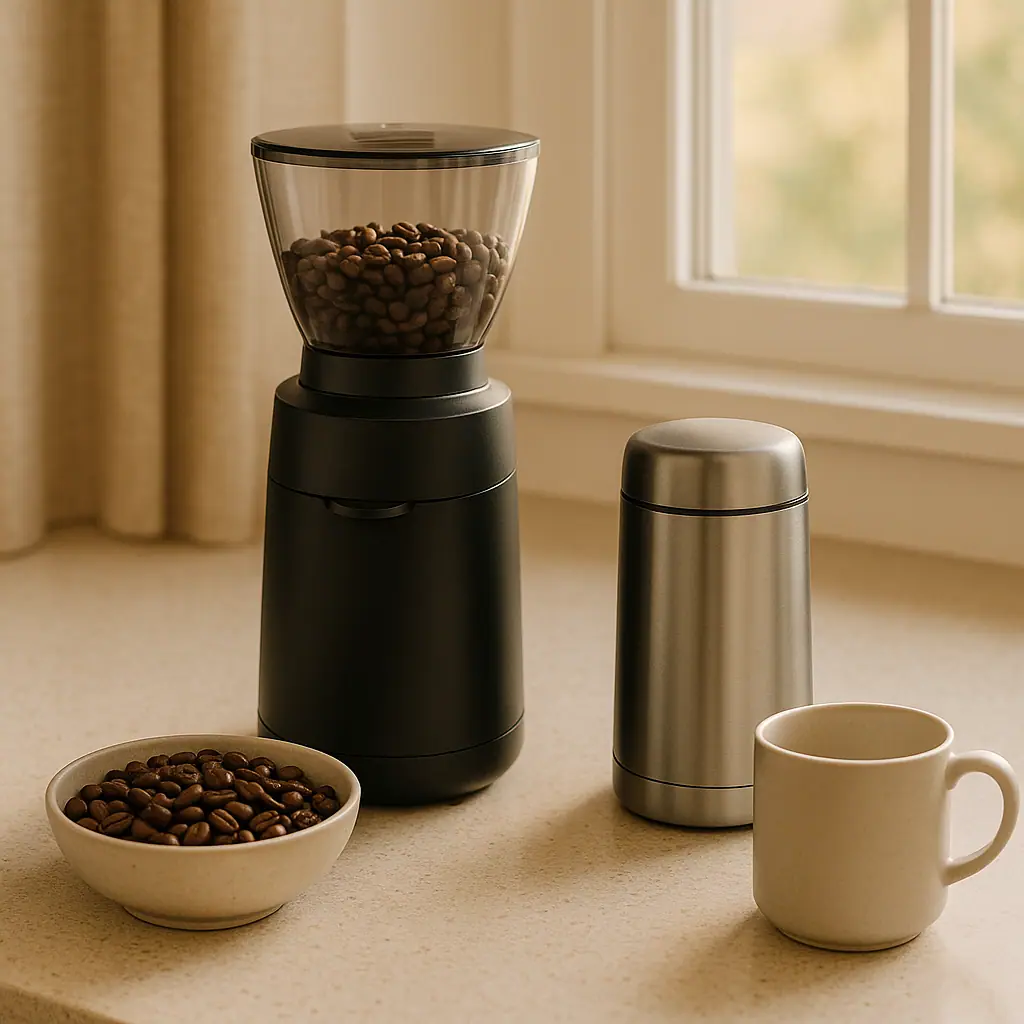
- Keep daily beans separate: do not pour beans into a grinder hopper unless you will use them soon; hoppers are convenient, but they are usually not the best long-term storage.
- Grind only what you need: whole beans hold aroma better than beans ground days ahead, so grind shortly before brewing when your routine allows it.
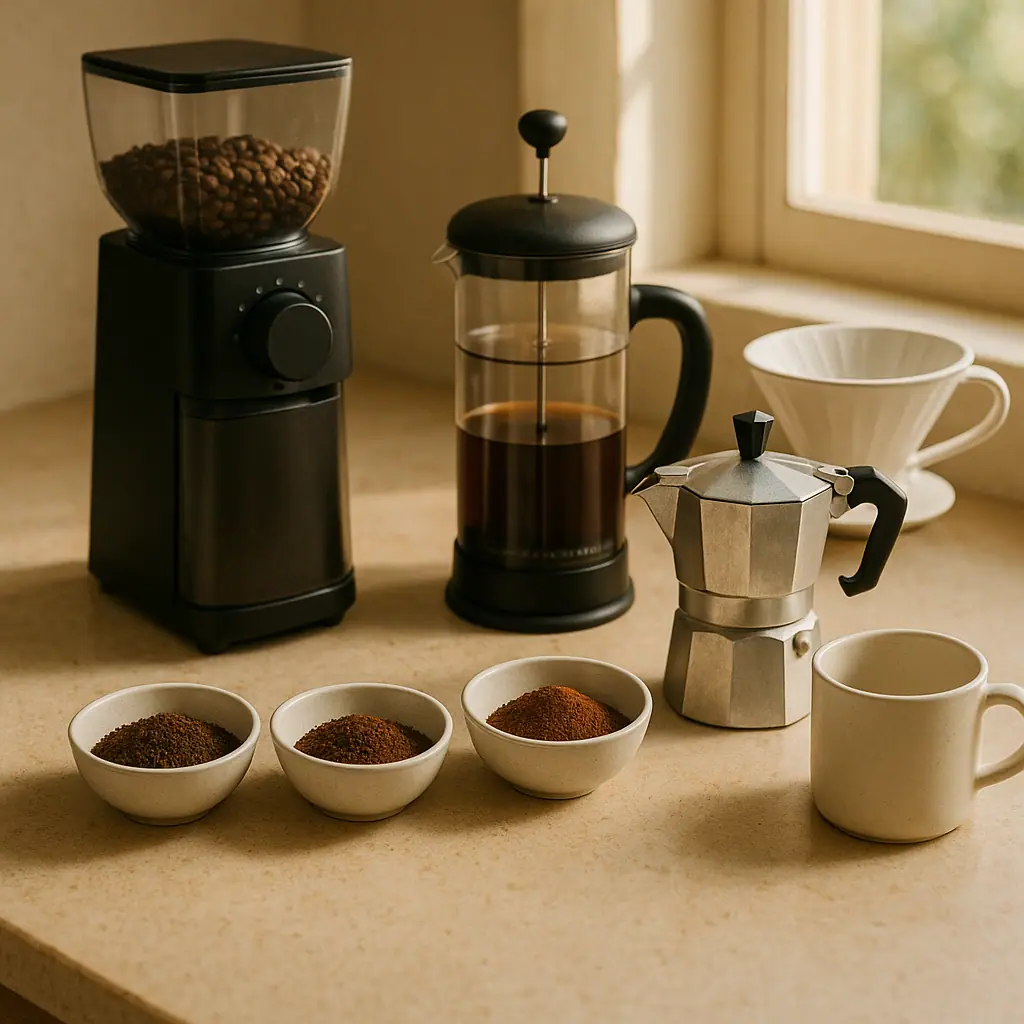
That last step connects storage to flavor. If your grinder has been giving you uneven cups, the guide to why a coffee grinder makes coffee taste inconsistent can help you separate storage issues from grind-size issues.
Common Coffee Storage Mistakes to Avoid
The first mistake is using coffee as counter decor. Beans in a clear jar can look beautiful, but display storage exposes them to light unless the jar stays inside a dark cabinet. If you like the look, use the jar for a tiny amount you will brew quickly, not the whole bag.
The second mistake is storing daily coffee in the refrigerator. The fridge is humid, full of odors, and opened often. Each trip in and out can invite condensation. For everyday beans, a cool pantry shelf is usually calmer and easier.
The third mistake is buying too much coffee at once. A bargain bag is not a bargain if the last half tastes dull. If you are still learning your pace, track how long one bag lasts in your home before stocking up.
Pros and Cons
Simple storage protects flavor
A sealed, dark, dry cabinet setup reduces the biggest freshness problems without adding much work.
The original bag may be enough
A good resealable opaque bag can work well for beginners who finish coffee at a normal pace.
Small buying habits help
Buying only what you can use soon often improves daily cups more than upgrading the container first.
Clear containers need hiding
They can look tidy on a counter, but they still need a dark storage spot to avoid light exposure.
Freezing requires discipline
It works best with sealed portions, not a daily bag that moves between freezer and warm kitchen air.
A Simple Coffee Bean Storage Checklist
- Use a sealed home: resealable bag, clip, airtight jar, or coffee canister.
- Keep it dark: opaque container or closed cabinet.
- Keep it cool: away from appliances that produce heat.
- Keep it dry: avoid sink areas and daily fridge storage.
- Buy for your pace: smaller bags are easier to finish while the coffee still tastes fresh.
- Label if needed: write the open date on the bag if several coffees are in the cabinet.
When to Get Extra Help
Ask a local roaster or coffee shop for help if you buy fresh coffee but it still tastes stale, woody, or flat within a few days. Tell them where you store it, how quickly you finish the bag, and what brewer you use. That gives them enough detail to suggest a better bag size, roast style, or storage habit.
Get extra help if you are storing very expensive beans, ordering several bags at once, or planning to freeze coffee for later. Portioning and airtight sealing matter more in those situations, so it is worth checking the roaster's advice before guessing.
Frequently Asked Questions
Should I store coffee beans in the original bag?
Yes, if the bag is opaque, reseals well, and you keep it in a cool dark cabinet. If it does not close tightly, use a clip or move the beans to an airtight container.
Is a coffee canister necessary?
No. A canister can help, especially if the original bag is awkward, but it is not the first requirement. A steady sealed place away from heat, light, moisture, and odors matters most.
Can I keep coffee beans in the fridge?
For daily beans, the fridge is usually not ideal because of moisture, odors, and temperature changes. A cool pantry or cabinet is simpler for most homes.
How often should I review my coffee storage setup?
Check it when you open a new bag or when coffee starts tasting dull sooner than expected. If the bag closes well and the cabinet is cool, dark, and dry, keep the routine simple.
Final Thoughts
How to store coffee beans at home without overthinking it comes down to a calm default: sealed, cool, dark, dry, and away from strong smells. Start there before buying specialty storage gear.
For your next bag, choose one storage spot and use it consistently. If the coffee tastes better for longer, keep the habit. If it still fades quickly, adjust one thing at a time: smaller bags, a better seal, or a darker cabinet.