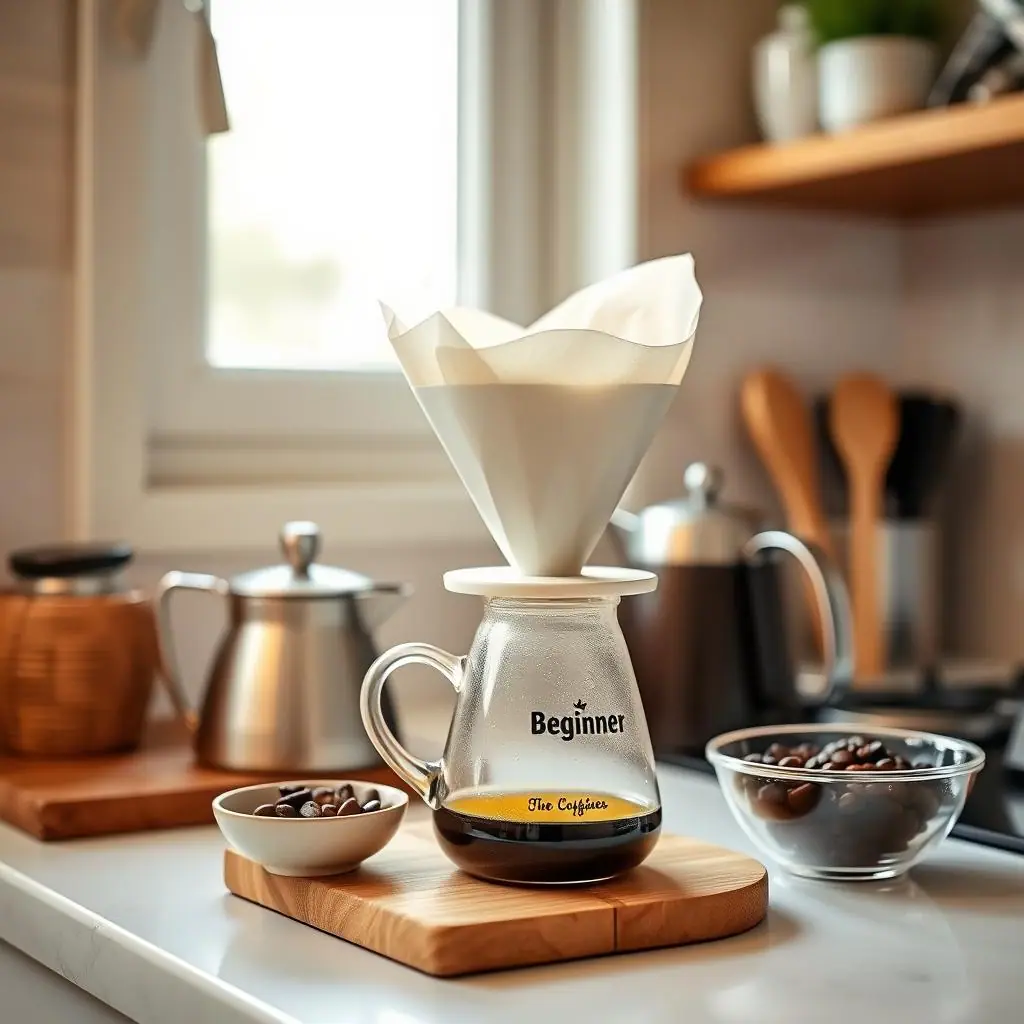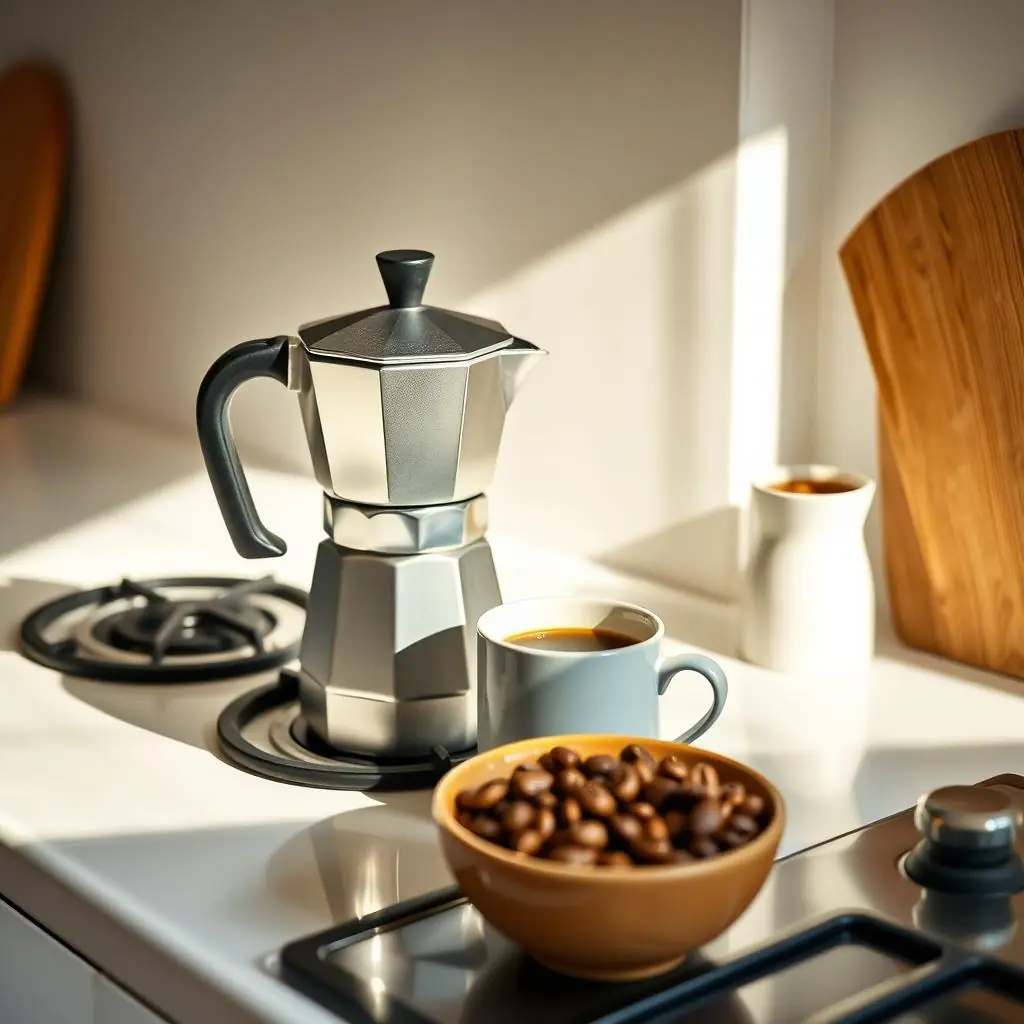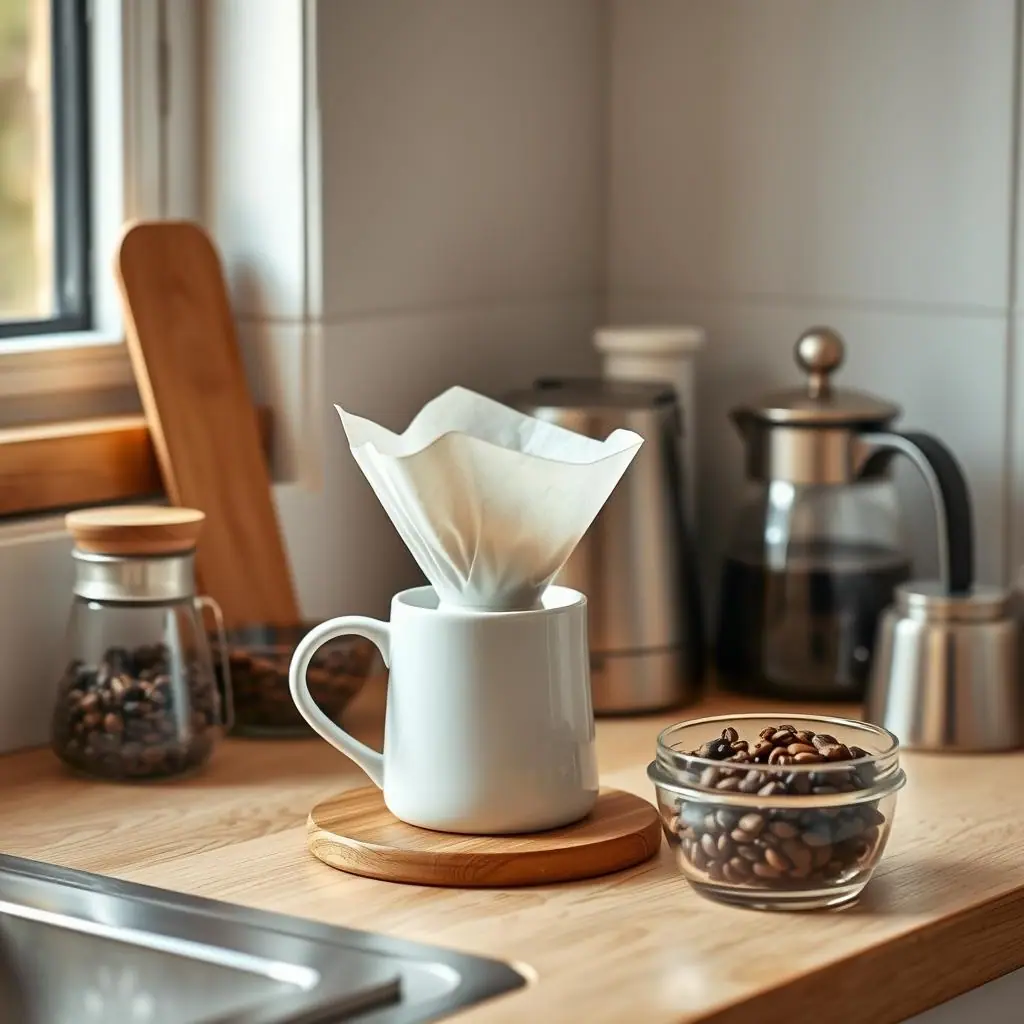
Why coffee tastes bitter and what to change first can feel confusing because bitterness has more than one cause. A dark roast can taste pleasantly bold, but a cup that tastes harsh, drying, burnt, or sharp usually means one part of the routine needs attention.
The good news is that you do not need to replace your brewer or buy a full coffee lab. Start with one likely cause, make one small change, and keep the rest of the routine steady. That makes the next cup easier to understand.
This guide keeps the troubleshooting calm and practical: taste the cup, check grind, water, brew time, roast, and cleanliness, then change the first thing that matches your situation.
Why Bitter Coffee Matters
Bitter coffee is not automatically bad. Many coffees have some pleasant bitterness, especially darker roasts or stronger recipes. The problem is bitterness that covers everything else, makes the cup feel rough, or leaves a dry aftertaste that makes you stop enjoying it.
Specialty coffee uses shared language and brewing standards to talk about quality and consistency. If you want a formal reference point, the Specialty Coffee Association maintains an overview of coffee standards. For a home kitchen, the simpler takeaway is this: repeatable steps make flavor problems easier to fix.
Start With the Taste Clue
Before changing equipment, describe the bitterness as plainly as possible. A harsh, ashy cup points to different fixes than a strong but balanced cup. A cup that tastes bitter only after sitting on a hot plate may need a serving habit, not a new recipe.
Harsh and drying
If the cup feels rough on your tongue and dries your mouth, the coffee may be over-extracted. That means the water pulled too much from the grounds. Common causes include too fine a grind, too much brew time, water that is too hot for the method, or letting brewed coffee sit on heat.
Burnt or smoky
If the cup tastes burnt from the first sip, look at the roast and freshness before blaming your brewer. Some dark roasts are intentionally smoky, but old coffee, overheated brewed coffee, or dirty gear can make that flavor harsher.
What to Check First for Bitter Coffee
Use the first check that matches your routine. You do not need to run every experiment in one morning.
- If the grind is very fine: try grinding slightly coarser on the next brew. Fine grounds expose more surface area and can make bitterness show up quickly.
- If the brew runs slowly: coarsen the grind, reduce agitation, or check whether the filter is clogged. A slow brew can pull too much from the coffee.
- If coffee sits on heat: serve it sooner or move it to an insulated carafe. A hot plate can make brewed coffee taste harsher over time.
- If the roast is very dark: try a medium roast for comparison before changing every technique step.
- If gear smells stale: clean the basket, carafe, grinder, or press. Old oils can add a bitter, rancid edge.
If stale smell is part of the problem, DailyBrewNook has a separate guide on how to keep coffee gear from smelling stale. That is a better first step when bitterness comes with old-oil aromas.
How to Fix Bitter Coffee Step by Step
Use this sequence for the next few brews. Keep notes in simple words: bitter, harsh, smoky, thin, strong, better, or worse.
- Brew your normal cup once: do not change anything yet. Taste it while fresh and note whether bitterness is harsh, burnt, or just stronger than you prefer.
- Change grind first if possible: if you grind at home, move one notch coarser. If you use pre-ground coffee, shorten brew contact time before changing the coffee amount.
- Shorten contact time: press French press coffee a little earlier, pour through more steadily, or avoid letting drip coffee sit in the basket after brewing.
- Check water heat: avoid boiling water directly onto delicate coffee. Let the kettle settle briefly if your method tends to taste harsh.
- Reduce heat after brewing: pour into a mug or thermal carafe instead of leaving coffee on a warming plate for a long time.
- Clean the flavor path: rinse and wash the basket, carafe, lid, grinder cup, or French press screen so old oils do not carry into the next cup.
- Compare roast style: if nothing helps, try a fresher medium roast before buying new gear.
Common Bitter Coffee Mistakes to Avoid
The first mistake is adding more sugar or milk before learning what went wrong. That can make the cup drinkable, but it does not teach you how to improve the next brew.
The second mistake is assuming stronger means better. If you add more coffee to fix weak flavor but keep the same grind and time, the result can become both strong and unpleasantly bitter.
The third mistake is ignoring the grinder and brewer. A dirty grinder cup, old carafe lid, stained brew basket, or clogged press screen can add bitterness even when the recipe looks fine.
Pros and Cons
Fixes the routine before buying gear
Small changes to grind, time, heat, and cleaning often improve bitterness without a new brewer.
Builds repeatable taste notes
Changing one variable at a time helps you learn what your coffee, grinder, and brewer are doing.
Works across brew methods
The same checks apply to drip coffee, French press, pour-over, moka-style routines, and many single-cup methods.
Needs a few cups of testing
One brew can be noisy, so the best answer may take two or three normal mornings to confirm.
Pre-ground coffee limits control
If you cannot change grind size, you may need to adjust time, coffee amount, water habit, or roast choice instead.
A Simple Bitter Coffee Checklist
Before blaming the machine, run this quick check.
- Does the coffee taste harsh while fresh? Try a coarser grind or shorter brew time.
- Does it get worse after sitting? Move it off heat sooner.
- Does the gear smell stale? Clean the carafe, lid, basket, grinder, and screen.
- Is the roast very dark? Compare with a medium roast before changing gear.
- Did you change several things at once? Go back to one baseline and adjust slowly.
If you are still learning grind changes, the guide to a coffee grind size chart can help you connect bitter flavor with the grind range for your brew method.
When to Get Extra Help
Ask a local roaster, coffee shop, or knowledgeable friend for help if every cup tastes bitter after you have cleaned the gear, adjusted grind or time, and tried a fresher coffee. Bring simple notes instead of a long theory: coffee name, roast level, grind setting, brewer, brew time, and what tasted wrong.
Check your machine manual if the brewer overheats, stalls, leaks, or behaves differently than normal. Flavor troubleshooting should not ignore equipment problems, especially when heat, pressure, or electrical parts are involved.
Frequently Asked Questions
What should I change first if coffee tastes bitter?
If you grind at home, try a slightly coarser grind first. If you use pre-ground coffee, shorten brew time or move brewed coffee off heat sooner.
Does bitter coffee mean I used too much coffee?
Not always. Too much coffee can make the cup intense, but harsh bitterness often comes from grind, time, heat, roast style, or old coffee oils.
Can dark roast coffee always taste less bitter?
You can soften the routine with coarser grind, shorter contact time, and faster serving, but some dark roasts naturally taste smoky or roasty. Compare with a medium roast if you want less edge.
How many changes should I test at once?
Test one change at a time for the clearest answer. If you change grind, time, coffee amount, and water habit together, you may not know which fix worked.
Final Thoughts
Why coffee tastes bitter and what to change first comes down to a calm troubleshooting order. Taste the bitterness, adjust grind or brew time, move brewed coffee off heat, clean the gear, and compare roast style only after the routine is steady.
Start with the next cup, not a full overhaul. A slightly coarser grind, a shorter brew, or a cleaner basket may be enough to turn a harsh morning cup into something smoother and easier to repeat.